
The 40th Dasan Jeong Yak-yong Cultural Festival, one of Namyangju City’s most prominent traditional history and culture festivals in Gyeonggi Province, was held from October 17 to 18, 2026, at the Jeong Yak-yong Historic Site and Dasan Ecological Park in Joan-myeon, Namyangju, South Korea.
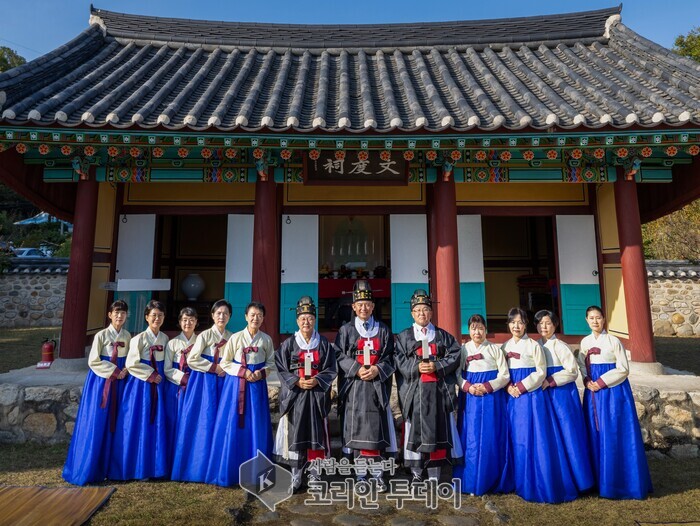 [The Korean Today] The 40th Dasan Jeong Yak-yong Cultural Festival in Namyangju. © Baek Chang-hee, Reporter |
Celebrating its 40th edition, this year’s festival was organized under the theme “Jeong Yak-yong, Who Designed His Era, Inspiring Innovation Today.” The event aimed to preserve and reinterpret the spirit of Silsagusi, or seeking truth from facts, and the humanistic values of Dasan Jeong Yak-yong (1762–1836), a distinguished scholar who systematized practical learning during the late Joseon Dynasty.
First held in 1986, the Dasan Jeong Yak-yong Cultural Festival has become a signature cultural event in Namyangju. It takes place at historically significant sites associated with the scholar, including his birthplace and family home, Yeoyudang, his tomb, the ancestral shrine Mundosa, the Jeong Yak-yong Cultural Center, and the memorial museum.
In 2012, marking the 250th anniversary of his birth, Jeong Yak-yong was recognized by UNESCO through its anniversaries program as an internationally significant historical figure.
His scholarly achievements in politics, public administration, economics, law, science, and numerous other disciplines, together with his commitment to reform and improving the lives of ordinary people, remain profoundly relevant today.
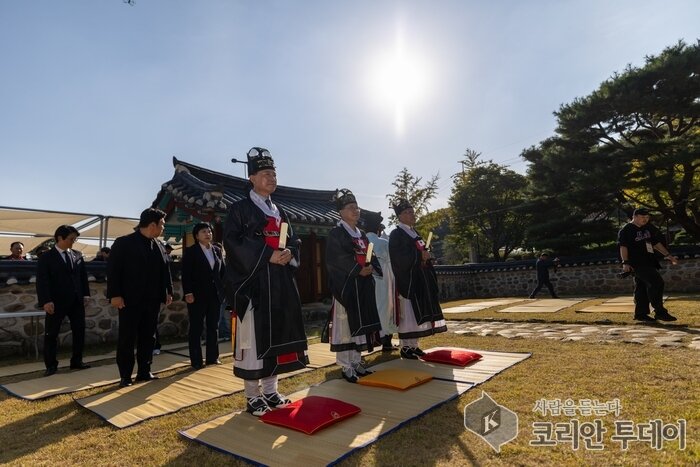 [The Korean Today] Scenes from the festival held at the Jeong Yak-yong Historic Site under the theme “Jeong Yak-yong, Who Designed His Era, Inspiring Innovation Today.” © Baek Chang-hee, Reporter |
Traditional Tea Offering Ceremony at Mundosa Shrine Preserves the Festival’s Historical Legacy
On October 17, the opening day of the festival, a solemn traditional ceremony was held to honor the life and legacy of Dasan Jeong Yak-yong.
Before the official opening ceremony, participants paid tribute at Dasan’s tomb through a floral offering ceremony. They then proceeded to Mundosa Shrine in a ceremonial procession accompanied by a traditional Korean wind and percussion ensemble known as a chwita band.
At the shrine, a traditional tea offering ceremony, known as Heondarye, was performed in honor of the scholar.
Heondarye is a traditional Korean ritual in which tea is respectfully presented to commemorate the scholarly achievements, moral character, and distinguished legacy of a revered figure.
More than a ceremonial tribute, the occasion offered participants an opportunity to reflect on Dasan’s lifelong commitment to intellectual inquiry, personal integrity, and public service.
During the ceremony, Namyangju Mayor Choi Hyun-deok served as the first ceremonial officiant, while City Council Chair Kim Jin-hee performed the second offering and Namyangju Cultural Center President Kim Kyung-don conducted the third offering.
Together, they presented tea in remembrance of Jeong Yak-yong’s enduring contributions to Korean society.
Of particular significance was the participation of the Samjeong Tea Society (Samjeong Dahoe) of Sujongsa Temple on Mount Ungilsan, led by the temple’s head monk, Venerable Dongsan.
For more than three decades, the society has overseen the traditional tea offering ceremony, preserving the cultural heritage of Korean tea rituals and maintaining the historical connection between Dasan and Sujongsa Temple.
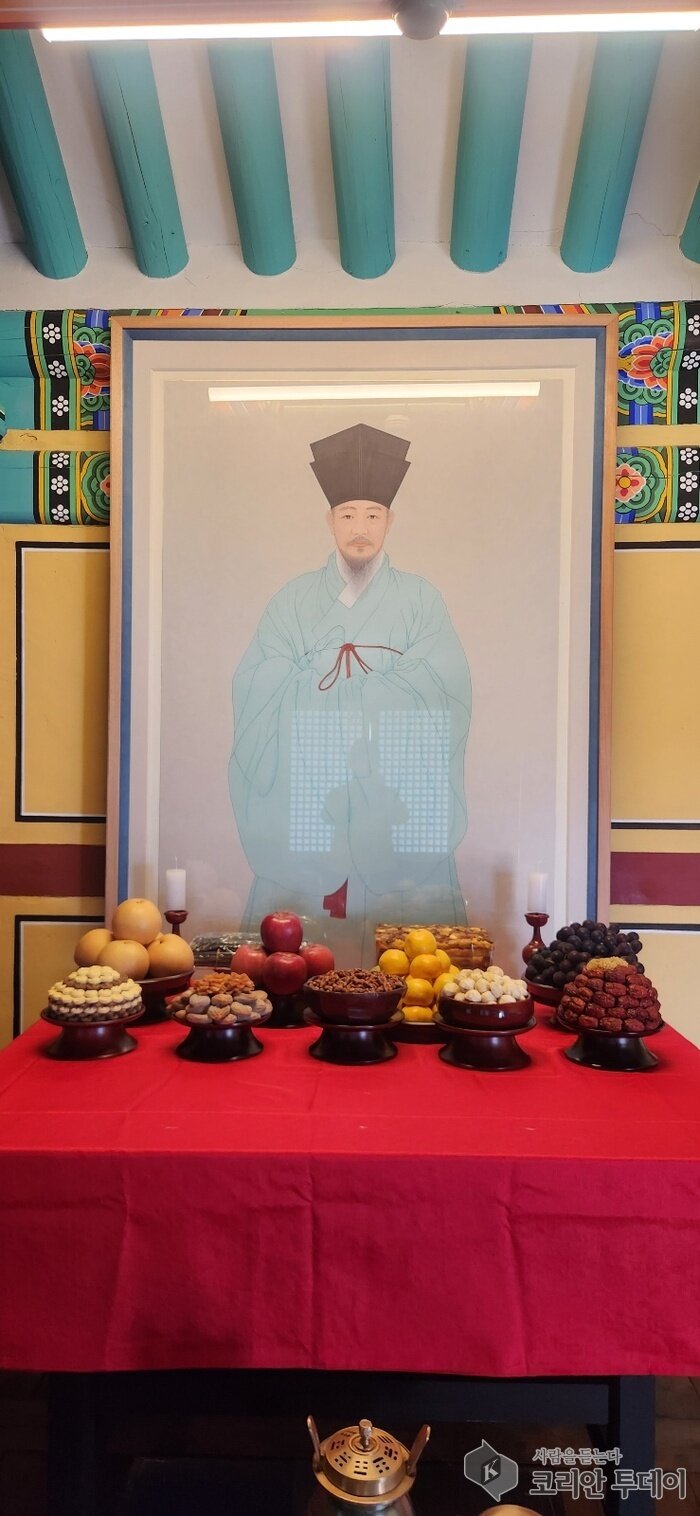 [The Korean Today] Honoring the spirit of practical learning and the historical tea traditions connecting Dasan Jeong Yak-yong with Sujongsa Temple. © Baek Chang-hee, Reporter |
Sujongsa Temple: A Place Deeply Cherished by Dasan Jeong Yak-yong
One of the most remarkable aspects of Dasan’s life is his enduring historical relationship with Sujongsa Temple on Mount Ungilsan.
Located on the slopes of Mount Ungilsan in Joan-myeon, Namyangju, Sujongsa Temple is renowned for its panoramic views of Dumulmeori, where the Bukhangang and Namhangang rivers meet.
From the temple grounds, visitors can admire the surrounding mountains, rivers, and the landscape near Dasan’s birthplace.
Known for its pristine spring water flowing from the rocks and its breathtaking natural scenery, Sujongsa was far more than a Buddhist temple to Dasan.
It served as a place of intellectual contemplation, appreciation of nature, literary creativity, and meaningful exchanges with friends and fellow scholars.
As a child, Dasan frequently visited Sujongsa with his mother. He enjoyed reading, reflecting, and observing the natural environment surrounding the temple.
Even after reaching adulthood, he continued climbing Mount Ungilsan with his brothers and friends, composing poetry and expressing his admiration for the beauty of nature.
His series of poems titled “Chocheonsa Sisa,” written in 1786, includes verses inspired by the snow-covered scenery of Sujongsa Temple.
Throughout his writings, Dasan captured the changing seasons, mountains, rivers, and remarkable landscapes surrounding the temple.
His affection for Sujongsa endured even when he was away from his hometown, serving in government positions or living in distant exile.
According to materials introduced by the Silhak Museum, Dasan sometimes drew pictures of beautiful landscapes that reminded him of home, hung them on his walls, and recited poetry while reflecting on the places he missed.
For Dasan, Sujongsa represented not only magnificent natural scenery but also a cherished symbol of his hometown, intellectual reflection, and personal memories.
Today, the Samjeong Tea Society continues the tradition of using natural spring water from Sujongsa Temple during its ceremonial tea offerings to Dasan, recalling this meaningful historical relationship.
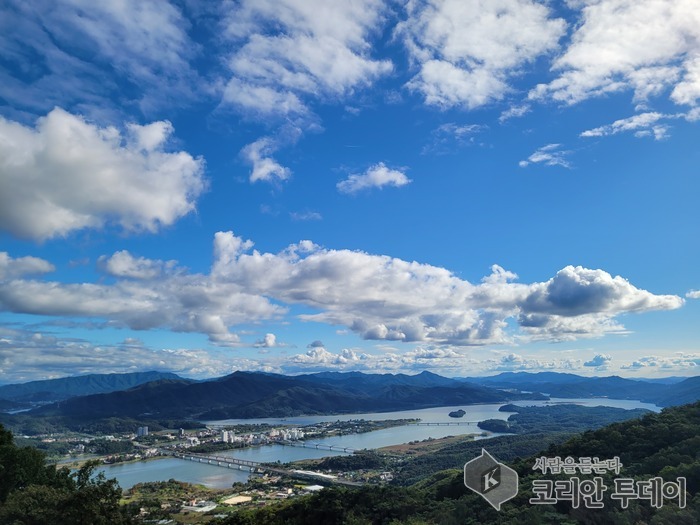 [The Korean Today] Sujongsa Temple’s Samjeong Tea Society has preserved the traditional tea offering ceremony for more than 30 years, honoring Dasan’s enduring connection with the temple. © Baek Chang-hee, Reporter |
Dasan’s Return to His Hometown After 18 Years of Exile: His Bond with Sujongsa Continued Throughout His Later Life
In 1801, following the Catholic Persecution of Sinyu, Jeong Yak-yong was sent into exile, first to Janggi in Gyeongsang Province and later to Gangjin in Jeolla Province, where he spent many years away from his family and hometown.
Once a trusted reform-minded scholar and official under King Jeongjo, Dasan endured profound hardship following the king’s death, political turmoil, and religious persecution.
During these difficult years, he experienced the loss of family members and close associates.
Nevertheless, he refused to surrender to despair and instead devoted himself to scholarship and writing.
His major works include “Mongminsimseo” (Admonitions on Governing the People), a practical guide to ethical public administration; “Gyeongseyupyo,” a work addressing institutional and governmental reforms; and “Heumheumsinseo,” a treatise on judicial administration and criminal law.
Through these and numerous other writings, Dasan made an extraordinary contribution to the development of practical learning in the late Joseon period.
In 1818, after approximately 18 years of exile, Dasan finally returned to his hometown of Majae Village in Namyangju.
Waiting for him were the familiar landscapes of the Bukhangang River, Mount Ungilsan, and Sujongsa Temple, which had shaped his memories since childhood.
Of particular historical interest is the fact that Dasan’s connection with Sujongsa did not end after his return from exile.
Historical materials presented by the Silhak Museum reveal important evidence linking his later years with the temple.
In the autumn of 1830, Dasan’s two sons, Jeong Hak-yeon and Jeong Hak-yu, visited Sujongsa Temple together with the renowned Buddhist monk and tea master Choui Seonsa.
During their visit, they exchanged poems and appreciated the surrounding landscape.
The poems and paintings associated with this gathering have been preserved in a literary and artistic collection known as “Sujong Siyucheop” (Water Bell Temple Poetry and Travel Album).
Dasan contributed a preface to the collection documenting the visit, while other literary figures of the period also recorded the scenery of Mount Ungilsan and their intellectual exchanges through writings and paintings.
These historical records provide valuable evidence that Dasan continued maintaining spiritual, intellectual, and literary connections with his family, fellow scholars, and Buddhist monks through Sujongsa Temple even after returning from exile.
The relationship between Dasan and Choui Seonsa is particularly meaningful because it illustrates the role of tea culture in fostering intellectual and philosophical dialogue among scholars and Buddhist practitioners during the late Joseon Dynasty.
Following his release from exile, Dasan spent his remaining years in Majae Village, organizing his scholarly achievements, continuing his research, and exchanging ideas with younger scholars until his death in 1836.
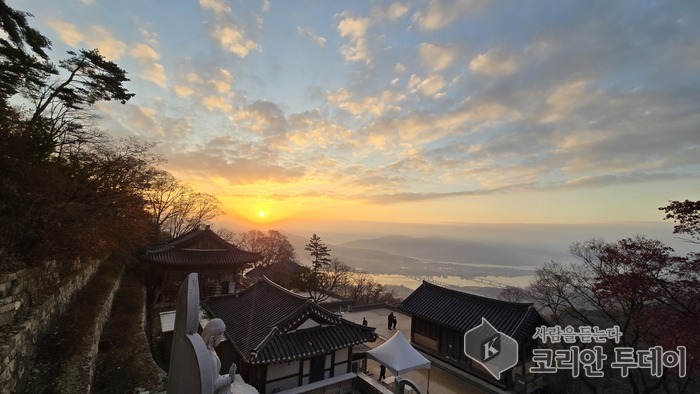 [The Korean Today] For more than three decades, Sujongsa Temple’s Samjeong Tea Society has carried forward the tea offering tradition, commemorating the historical bond between Dasan and Sujongsa. © Baek Chang-hee, Reporter |
Sujongsa Temple was therefore not merely a place associated with Dasan’s childhood memories. It also represented a meaningful connection to the hometown he returned to after years of suffering, where his intellectual pursuits and the traditions of Korean tea culture continued to flourish.
The tea offering ceremony performed today by Sujongsa Temple’s Samjeong Tea Society is much more than a reenactment of an ancient ritual.
Its enduring significance lies in preserving the centuries-old relationship between Dasan and Sujongsa while passing on the values of Korean history, scholarship, and cultural heritage to future generations.
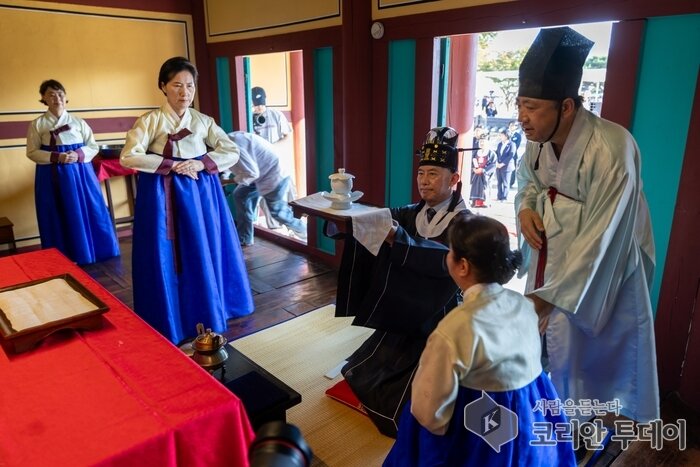 [The Korean Today] The 40th Dasan Jeong Yak-yong Cultural Festival celebrates Dasan’s philosophy of practical learning and the continuing heritage of traditional Korean tea offering ceremonies. © Baek Chang-hee, Reporter |
Four Decades of the Dasan Jeong Yak-yong Cultural Festival: Drawing on the Wisdom of the Past to Inspire Innovation Today
Now in its 40th edition, the Dasan Jeong Yak-yong Cultural Festival has evolved beyond a commemorative event honoring a historical figure.
It has become an important cultural gathering that connects Dasan’s philosophy, intellectual achievements, and reform-minded principles with contemporary society.
Yeoyudang, where Dasan was born and raised; the Jeong Yak-yong Cultural Center and memorial museum, which preserve his scholarly legacy; and Sujongsa Temple, where traditional tea culture continues to thrive, collectively provide valuable opportunities to understand the scholar’s life from multiple perspectives.
The dedication of Sujongsa Temple’s Samjeong Tea Society, which has maintained its ceremonial tea offerings for more than 30 years, is particularly noteworthy as a continuing cultural effort to protect regional history and traditional practices for future generations.
Dasan Jeong Yak-yong nurtured his intellectual curiosity amid the natural beauty of Sujongsa during his childhood, endured the hardships of a lengthy exile, and eventually returned to his beloved hometown of Majae, where he continued his scholarly pursuits in his later years.
More than two centuries later, his commitment to practical knowledge, compassion for the people, and public-minded reform continues to resonate.
The rich traditions of tea culture and humanistic scholarship associated with Sujongsa Temple further demonstrate how Korea’s historical heritage can remain meaningful and inspiring in the modern world.


[Korean Brand Awards Application] [Best CEO Awards Application] [Customer Satisfaction Awards Application]
THE KOREAN TODAY × WIA CODE
WIA Code for This Article




답글 남기기