
100 Years Ago Today
Friday, October 8, 1926 · Evening Edition · 10:10 PM KST (1:10 PM UTC)
10:10 – As the clock smiles, reflect on a century of history
1. Hook Opening
As you wind down your day, picture a Friday evening in Seoul exactly a century ago. A week earlier, two things happened on the same day, October 1. Colonial officials held a completion ceremony for a vast new government building in front of the old royal palace. And a few streets away, a silent film called Arirang opened at the Danseongsa Theater. Tonight is its eighth day on screen. One building spoke for the empire. The other spoke for the people it ruled. Note: no newspaper from October 8 itself was found, so this edition uses only dated facts and says plainly what remains unknown.
2. Korea Under Colonial Rule
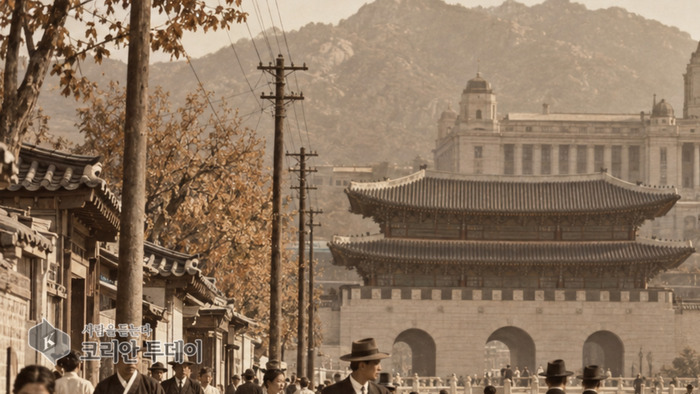
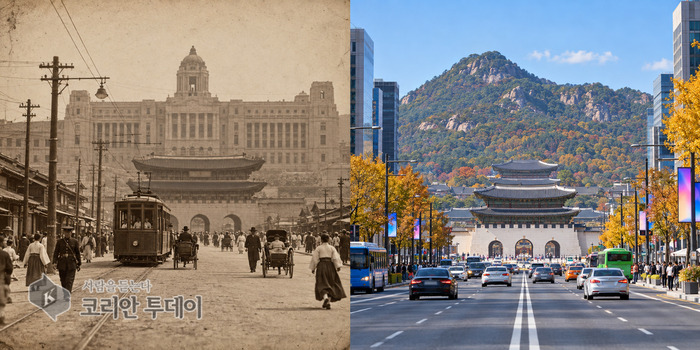
The Government-General of Korea moved on January 4, 1926 from Waeseongdae, below Namsan, into the new building inside Gyeongbokgung Palace grounds, and held its completion ceremony on October 1. To make room, the palace’s main gate, Gwanghwamun, was moved eastward, and the Heungnyemun gate, its corridors and the Yeongjegyo bridge were torn down. The Governor-General was Saito Makoto.
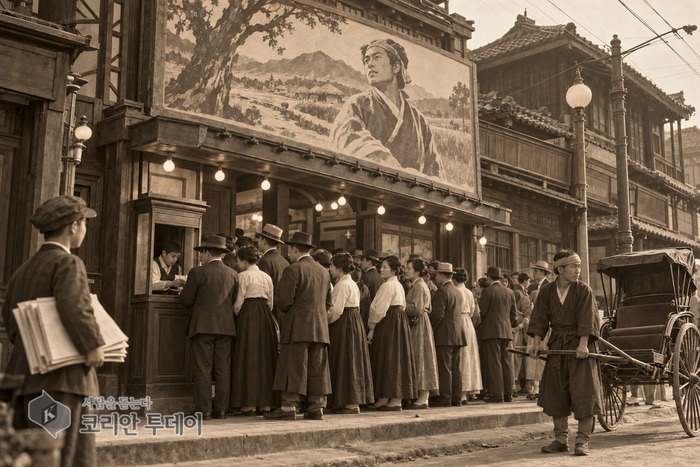
The film Arirang, written, directed and starred in by Na Un-gyu, opened at Danseongsa on October 1. A black-and-white silent film, it is remembered as Korea’s first great box-office hit and is said to have toured theaters and even villages with no theater at all. Attendance figures and ticket prices for October 8 were not confirmed.
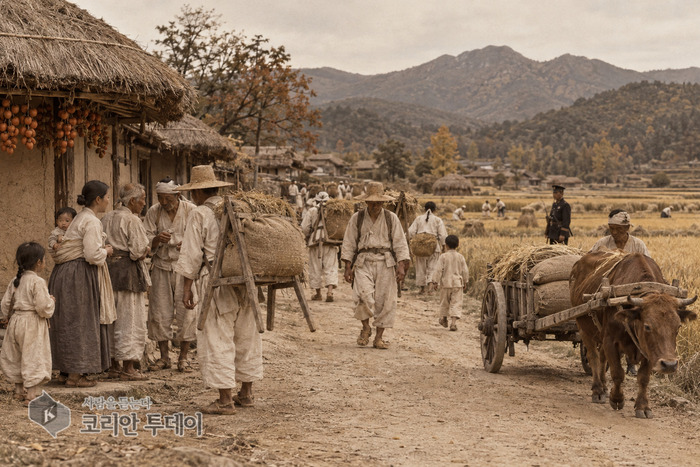
Four months earlier, on June 10, students had cried out for independence during Emperor Sunjong’s funeral procession. Eleven students, including Yi Seon-ho, received sentences of one year in prison or suspended terms (the verdict date was not confirmed). Across 1926 as a whole, tenant-farmer disputes numbered 726 and labor disputes 160. These are annual totals, not one day’s count.
3. East Asia in Turmoil
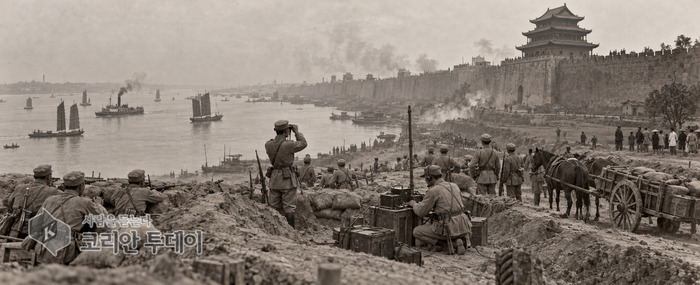
In China, the Nationalist National Revolutionary Army’s Northern Expedition had besieged the walled city of Wuchang for more than a month, where troops left behind by the warlord Wu Peifu held out. Wuchang fell two days later, on October 10, and the Canton government would soon move to Wuhan. Across the sea, Koreans watched a rising Chinese nationalism with interest, though what they said about it in print that day is unconfirmed.
A short note on another Korean milestone ahead: on November 4, about a month away, the Joseon Language Society and the magazine publisher Sinminsa would hold the first commemoration of the Korean alphabet at the Sikdowon restaurant. It was called “Gagyanal” then; it became today’s Hangul Day.
4. The World Stage
In Italy, the Grand Council of Fascism was formed on October 7. In Moscow, Mikhail Bulgakov’s play Days of the Turbins premiered at the Moscow Art Theatre on October 5. In the United States, Father Charles Coughlin began weekly radio sermons from Detroit on October 3, and Babe Ruth was starring in the World Series. Calvin Coolidge was president; Stanley Baldwin was prime minister of Britain.
5. Colonial Parallels
Korea was not alone. India lived under the British Raj, and the Philippines under American administration, while Ireland had won a measure of self-rule only a few years earlier. In each place, the ruled adopted the rulers’ newest media, from print to radio and film, to say things officials preferred unsaid. Arirang did this in Korea. This comparison is general background, not a claim about October 8 specifically.
6. Person of the Day: Na Un-gyu
Na Un-gyu wrote, directed and starred in Arirang. Its premiere on October 1, 1926 turned him into a symbol of Korean cinema. Details of his activities on October 8 were not found, so we stop at what is documented.
7. Understanding Daily Life
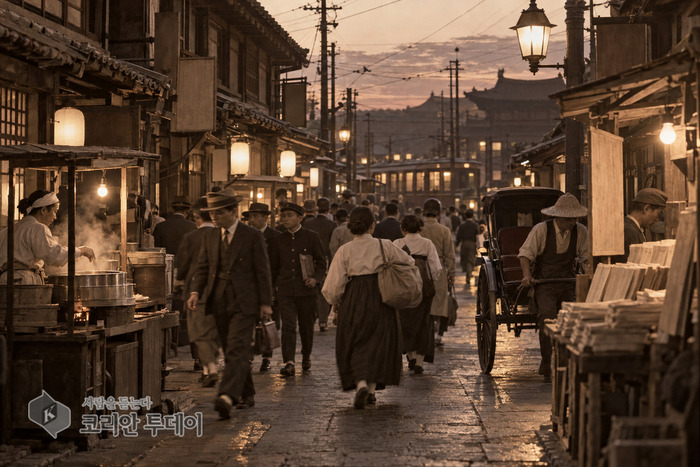
Friday’s theme is women and the household. We found no article about women, family or religion on this date, and we will not invent one. What scholars do say is that Koreans watching Western films in 1920s theaters copied actors’ clothing and courtship fashions, learning modern ways of living. Danseongsa, Umigwan and Joseon Theater were the three main Korean-run cinemas, while Japanese-run theaters clustered near today’s Chungmuro.
8. Century Mirror
| Topic | 1926 | 2026 |
|---|---|---|
| Cinema | Silent black-and-white at Danseongsa | Korean films and K-dramas watched worldwide |
| Hangul | First “Gagyanal” planned for Nov. 4 | Hangul Day, October 9, every year |
| Palace front | Colonial headquarters behind Gwanghwamun | Building removed, gate restored |
The Friday comparison would normally cover women’s status, but no figures for that exist for this date, so culture stands in. A century later, Korean stories reach the world through film and series, and it began with a silent picture and a folk song.
9. Tomorrow’s Preview
Tomorrow is Saturday, October 9, 1926. It is the date we celebrate Hangul today, though in 1926 nobody did yet. Good night, and see you at 10:10.
Sources: National Archives of Korea (Government-General building), reports on the premiere of Arirang (Kyunghyang, Maeil), reports on the origins of Hangul Day, June 10 Movement materials, annual dispute statistics, Wikipedia “October 1926.” No newspaper dated October 8, 1926 was located.
THE KOREAN TODAY × WIA CODE
이 기사의 WIA Code

WIA Code 스캐너로 비추면 인터넷 없이 발행 사실과 위·변조 여부를 확인할 수 있습니다.
휴대폰 기본 카메라로 찍으면 스캐너 안내 페이지가 열립니다 — 기사 바로 열기
움직이는 코드(스트림) 한 장에 기사 전문(사진 포함)이 담겨 있습니다 — WIA Code 스캐너로 약 143초 비추면 폰에 저장되어 인터넷 없이도 읽을 수 있습니다. Stream.mp4 도 여기서 받습니다.
WIA Code · 코리안투데이






Leave a Reply