
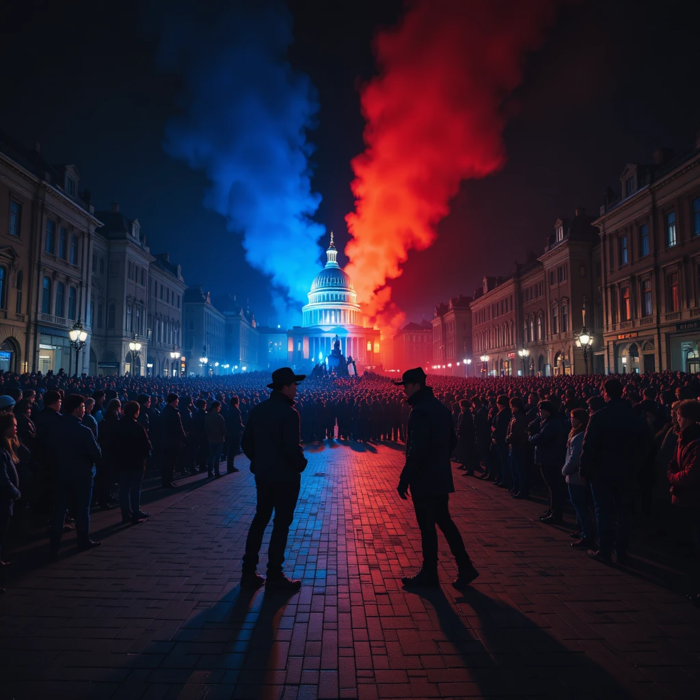
Our society is no longer divided by simple differences of opinion. It is split into rigid camps—each convinced not only that it is right, but that the other side is dangerous, immoral, and beyond dialogue. This is no longer political disagreement. It is extreme camp logic, and it has become one of the greatest threats to democratic coexistence.
 |
The troubling question is not why disagreement exists. Disagreement is natural in any healthy democracy. The real question is this: Why does this extreme, hostile form of division refuse to stop—even when it is clearly destroying trust, dialogue, and governance itself?
Hatred Is Easier Than Thinking
Extreme camp logic thrives because it is emotionally easy.
It requires no careful analysis, no listening, no doubt. It offers something far simpler: a villain.
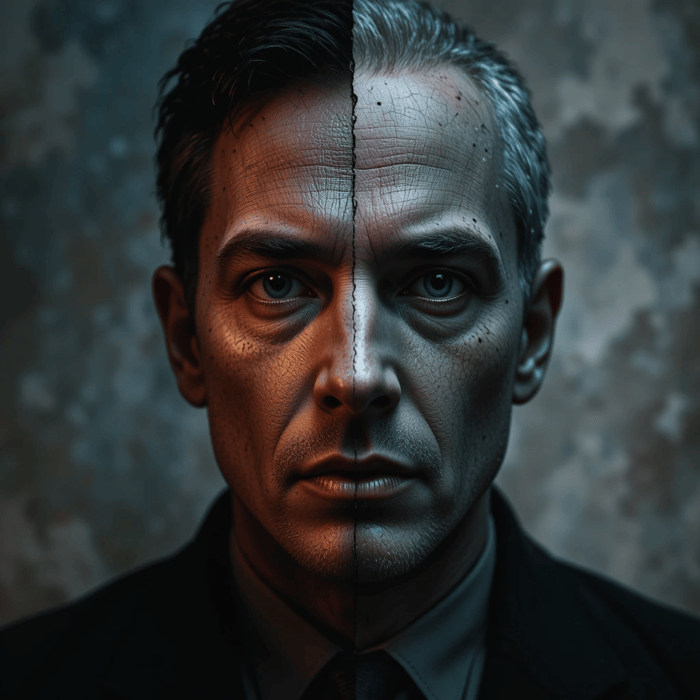 |
Once politics becomes a story of absolute good versus absolute evil, thinking becomes unnecessary. Nuance disappears. Facts become negotiable. Every event is automatically filtered into “our side” versus “their side.” In such a structure, admitting uncertainty feels like betrayal, and compromise feels like surrender.
Hatred, in this sense, becomes not a failure of reason—but a shortcut that replaces reason altogether.
Algorithms Reward Anger, Not Truth
 |
In the digital age, extreme division is not only emotional—it is profitable.
Social media platforms are not designed to promote balance or deep understanding. They are engineered to maximize engagement. And nothing engages faster, longer, and more intensely than outrage.
Calm explanations spread slowly.
Anger spreads instantly.
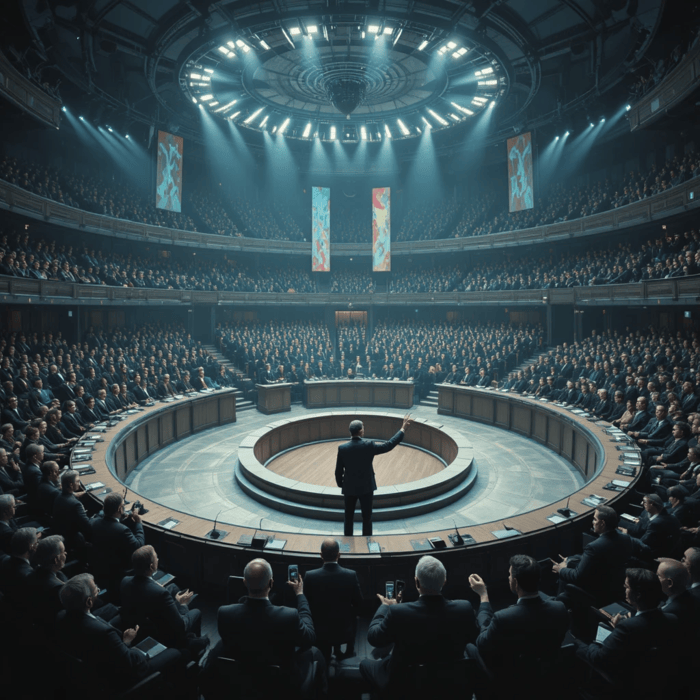 |
Extreme content is pushed to the top because it keeps users scrolling, sharing, and fighting. Over time, people are not just reacting to extreme views—they are trained into them. The algorithm does not ask whether something is true or helpful. It only asks whether it provokes reaction.
As a result, society is not merely polarized. It is continuously radicalized by design.
Extreme Camps Do Not Want Solutions
This is a difficult truth:
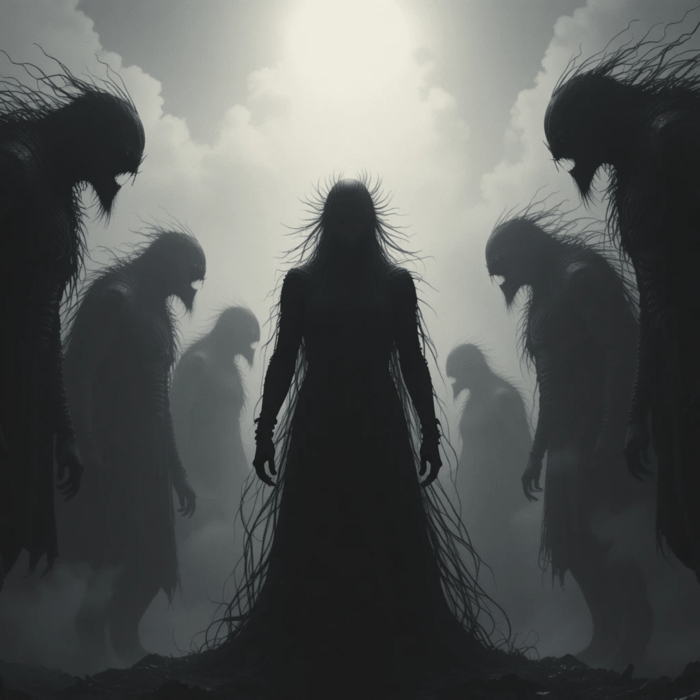
Many extreme camps no longer seek solutions. They seek victory, humiliation of the opponent, and emotional validation.
 |
Real solutions require compromise. They require accepting partial responsibility. They require uncomfortable conversations and shared sacrifice. None of these are attractive to extreme logic.
Extreme logic feeds on endless conflict. If problems were actually solved, the reason for permanent outrage would disappear. So conflict must be kept alive—reframed, recycled, intensified.
In this way, extreme camps become addicted to the very crises they claim to oppose.
Fear Is the Fuel
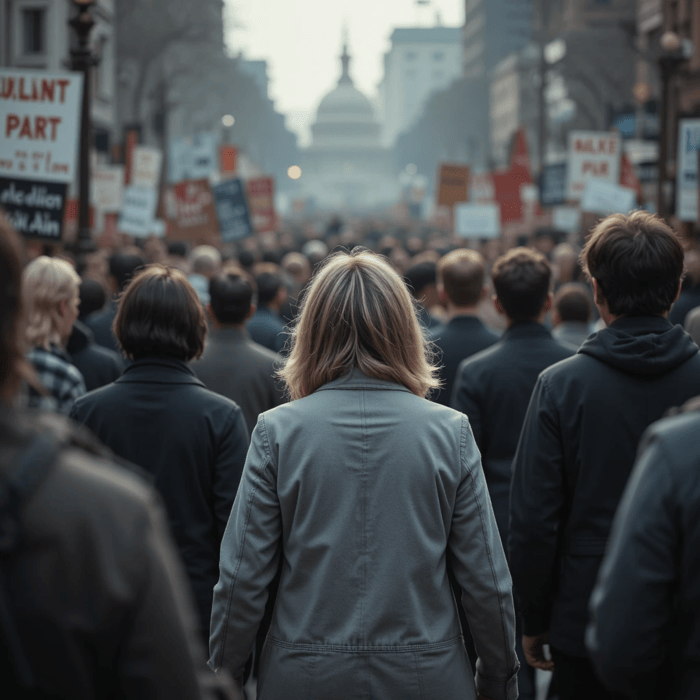 |
At its core, extreme camp logic is powered by fear.
Fear of economic loss.
Fear of cultural disappearance.
Fear of being left behind.
Fear of becoming irrelevant.
Rather than confronting these fears honestly, people project them onto political enemies. The opponent becomes the embodiment of every anxiety. Once fear is tied to identity, compromise feels not just wrong—but dangerous.
Politics stops being about policy. It becomes about survival.
The Silent Majority Pays the Price
 |
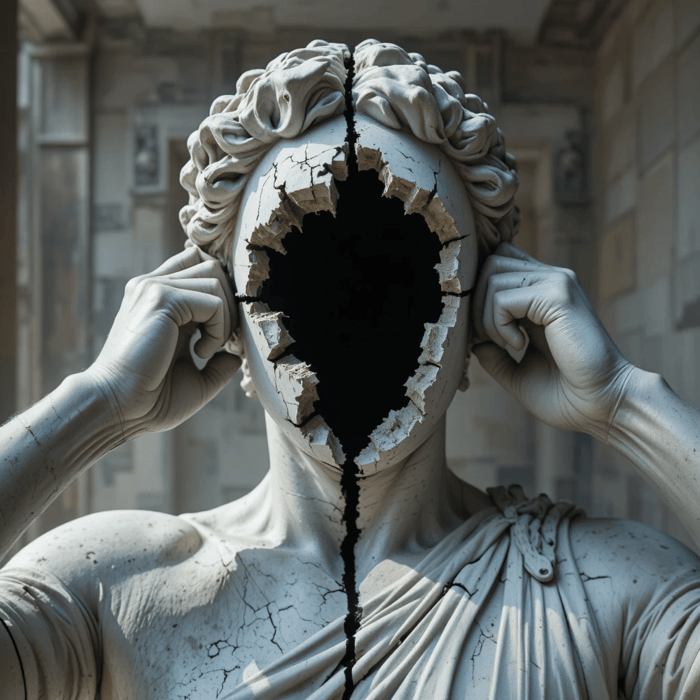
While extreme voices dominate public space, a vast number of citizens retreat into silence. They are tired of shouting, tired of being misunderstood, tired of being attacked for asking simple questions.
This silence, however, does not weaken extreme camps. It strengthens them.
As moderate voices withdraw, public debate becomes louder, harsher, and more distorted. The political center collapses, and society begins to function like a tug-of-war with no referee—only two sides pulling until the rope snaps.
The Great Illusion: “If My Side Wins, Everything Will Be Fixed”
 |
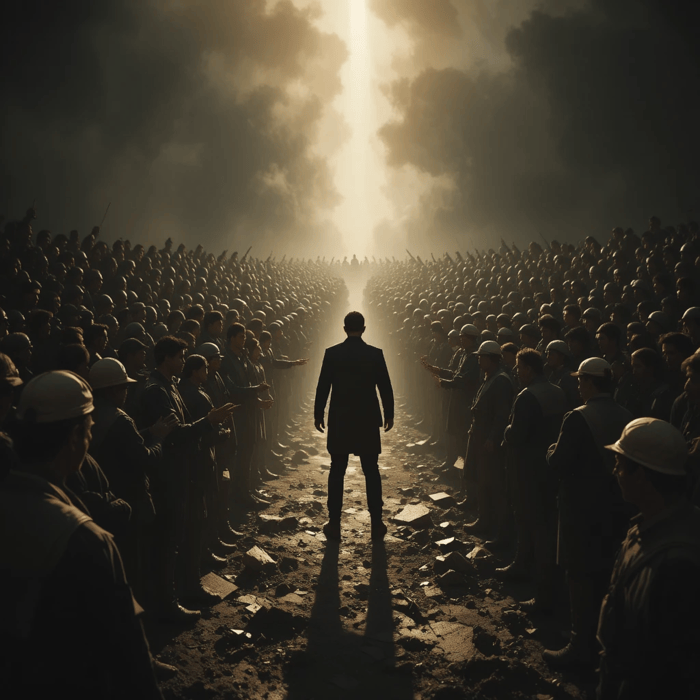
Extreme camp logic survives because it offers a seductive illusion:
“If our side completely wins, society will finally be saved.”
History shows the opposite. Absolute victories rarely create stable societies. They create resentment, backlash, and endless cycles of revenge. Democracy does not collapse only through dictatorship—it also collapses through the slow extinction of mutual legitimacy.
Once a society stops recognizing the right of the opponent to exist politically, democracy becomes an empty ritual.
 © 김현수 기자 |
What Can Actually Stop It?
Extreme camp logic cannot be stopped by more extremism. It cannot be defeated by humiliation or censorship alone. It slows only when three difficult shifts occur:
When citizens choose discomfort over convenience in their information consumption
When leaders gain more by calming society than by mobilizing rage
When people decide that winning an argument is less important than preserving a nation
These are not technical problems. They are moral choices.
The Final Question
 |
Extreme camp logic does not stop because it is emotionally rewarding, digitally amplified, politically profitable, and socially addictive.
The real danger is not that the two sides hate each other.
The real danger is that they begin to need the hatred.
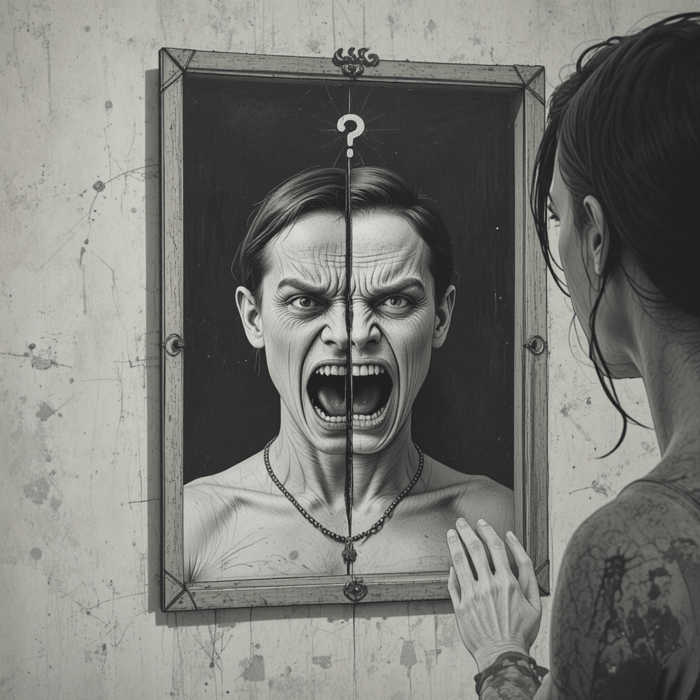
And that leaves us with the most uncomfortable question of all:
Do we truly want unity and democracy—
or do we simply want our camp to dominate the ruins?
[김현수 기자: incheoneast@thekoreantoday.com ]
 |


Leave a Reply