
100 Years Ago Today
Thursday, October 21, 1926 · Evening Edition
10:10 PM KST (1:10 PM UTC)
As the clock smiles, reflect on a century of history
1. A Full Moon After the Ceremony
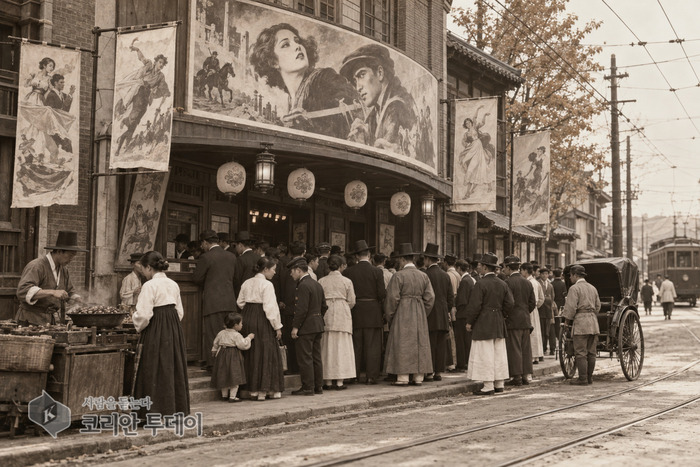
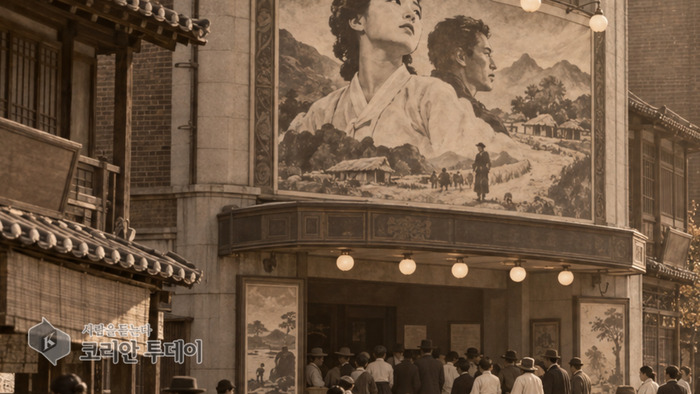
As you wind down your day, travel back one hundred years to Thursday, October 21, 1926. Gyeongseong, the colonial name for Seoul, lay under an autumn sky, and the lunar calendar tells us a full moon rose that night. Exactly twenty days earlier, on October 1, the new Government-General building in front of Gwanghwamun gate had held its completion ceremony. On the same day, a few streets away at the Danseongsa theater in Jongno, a silent film called Arirang opened.
A word of honesty before we begin. Despite searching Korean archives, we could not locate the text of any newspaper published in Korea on this exact day. So tonight, rather than invent weather, prices, or street scenes, we stay with what can be verified, and we tell you plainly where the record goes silent.
2. Korea Under Colonial Rule
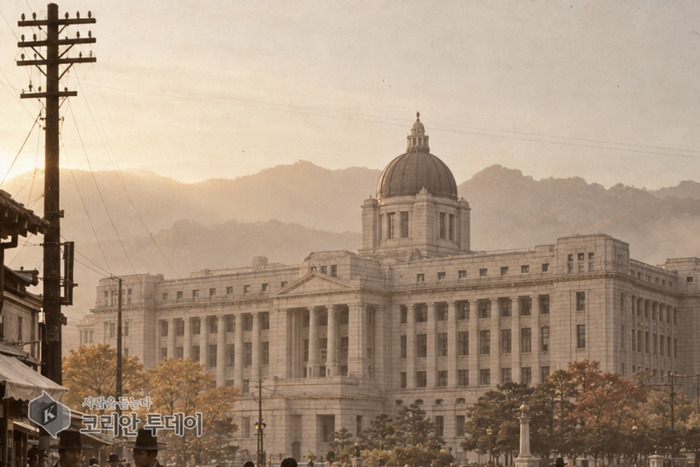
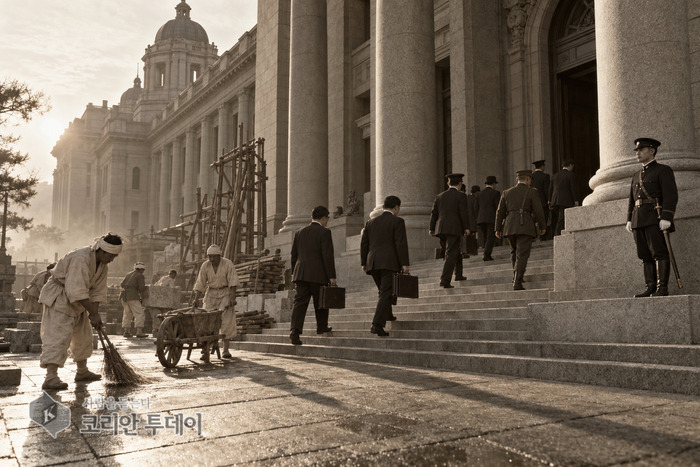
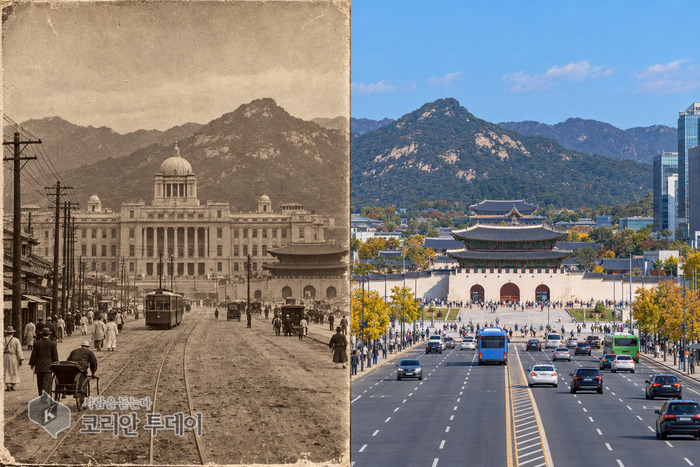
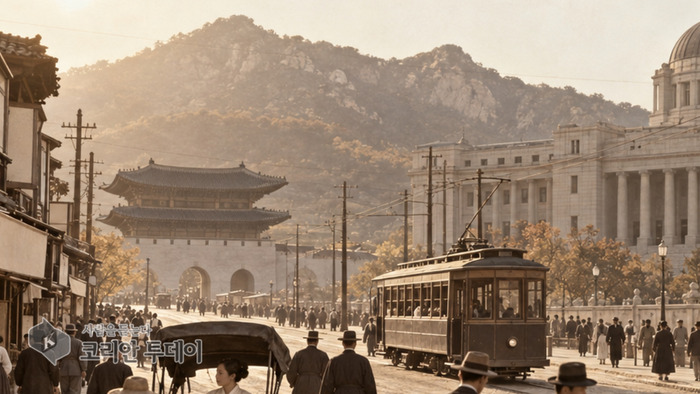
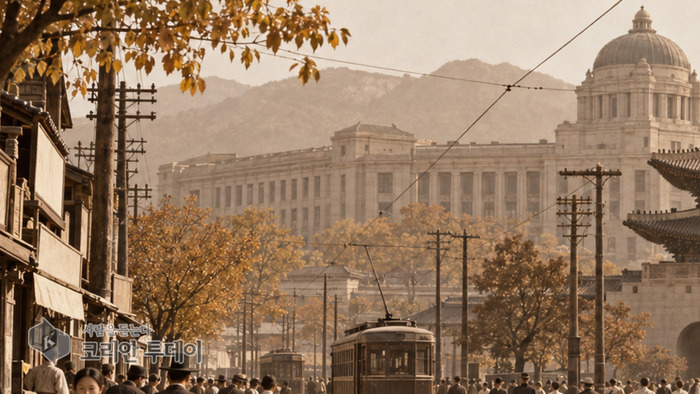
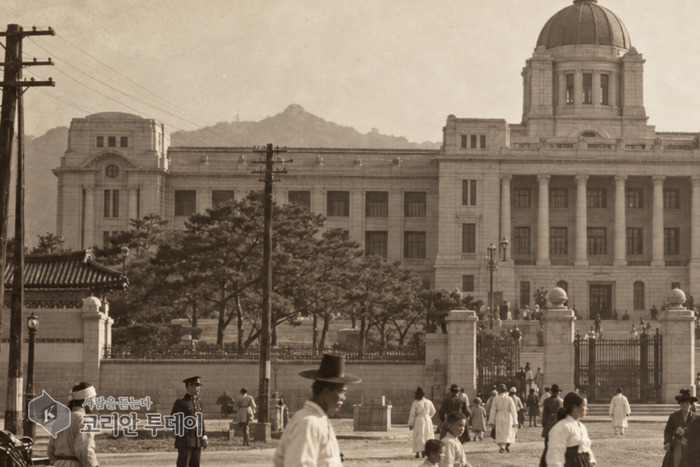
The building at the center of the city’s story that autumn was the Government-General headquarters. According to the National Archives of Korea, ground was broken on the Gyeongbokgung palace grounds on June 24, 1916. After about ten years of construction it was finished in December 1925, at a cost of roughly seven million yen. Officials began working there on January 4, 1926, and the formal ceremony came on October 1, when Gwanghwamun itself was relocated eastward.
The Academy of Korean Studies reads the building’s placement as deliberate: it stood in front of Geunjeongjeon, the throne hall that symbolized the Joseon dynasty, blocking the view and displaying the power of the ruling empire. Thursday is our day for labor and the economy, yet we found no verified report of strikes, wages, or prices in Korea on October 21. What we can say is that a single building absorbed a decade of work and an enormous sum, in a colony whose own people had little voice in how the capital was shaped.
3. Korea and the Peninsula: A Year That Was Not Quiet
The year 1926 had already been heavy. Emperor Sunjong, Korea’s last monarch, died in April. Around the day of his funeral, June 10, students in Seoul staged demonstrations known today as the June Tenth Movement. Japanese military and police were reportedly braced for a repeat of the great March First uprising of 1919.
In October the pressure found another outlet: the cinema. Arirang, written, directed, and starring Na Un-gyu, opened at Danseongsa on October 1. Its theme song is remembered as the first song written for a Korean film and also as the first banned song. Stories say audiences in Jongno wept openly, but those accounts come from popular media and deserve cross-checking. A Wikipedia chronology also notes that a theater group, Joseon Geukuhoe, was organized around a people’s drama company in October, though without a date.
4. East Asia in Turmoil
Across the Yellow Sea, China was in the middle of the Northern Expedition. Chiang Kai-shek’s National Revolutionary Army had pushed north from Guangdong. Timelines place the fall of the Wuhan cities around October 10, 1926. A U.S. consular telegram from October 9 reports that surrender terms for the besieged city of Wuchang had been agreed between the commanders, with only the disposition of small guns still disputed.
For Koreans in exile, in Shanghai and Manchuria, a rising Chinese nationalist army was not a distant story. We have not verified how Korean papers covered it on this particular day, so we offer it as context rather than as that morning’s headline.
5. The World Stage
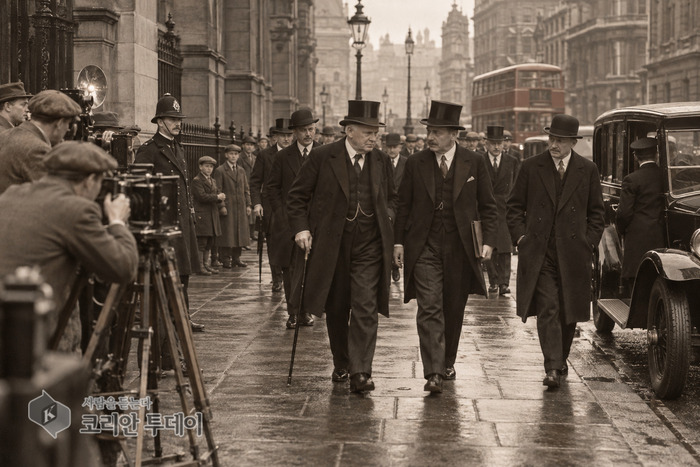
On October 19, King George V and the prime ministers of seven dominions opened the 1926 Imperial Conference in London, the ninth since 1887. The next day brought grim news. Eugene V. Debs, the American Socialist leader, died at seventy, and a hurricane in Cuba killed more than 650 people.
On October 21 itself, Italy’s Interior Minister Luigi Federzoni banned stage jokes about the Italian army, a small sign of how closely the Fascist state was policing public laughter. In Arabia, the Emirate of Asir signed the Treaty of Makkah with the Kingdom of Hejaz and Nejd.
6. Colonial Parallels
The Imperial Conference is a useful mirror. In London, leaders of self-governing dominions sat with the king to discuss how far their autonomy should go. Meanwhile in Seoul, a colonized people could not elect the officials who ruled them, and a stage joke or a film song could be censored. Two empires, two very different meanings of the word “dominion.”
We are comparing only what the record shows: that on the same October day, one part of the world was negotiating self-government while another was being told which songs it could sing. The deeper question of how colonized societies compared across India, Ireland, or the Philippines deserves its own careful installment, and we will not stretch thin evidence to fill it tonight.
7. Person of the Day: Eugene V. Debs
We found no verified biography of an ordinary Seoul resident on October 21, so we turn to a figure whose death was recorded the day before. Eugene Victor Debs died on October 20, 1926, at age seventy. He was one of the best-known leaders of American socialism, a man whose name was known well beyond the United States. A century on, his passing is a reminder that the 1920s were a time when ideas about labor and justice crossed borders, including to the Korean activists who read about them in their own newspapers.
8. Understanding Daily Life
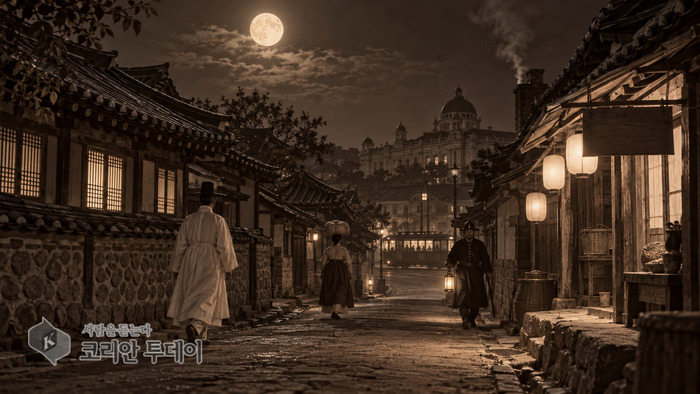
What was an ordinary evening in Gyeongseong like? The honest answer is that we cannot document this particular one. What we can confirm is that the moon was full that Thursday night, a month after the Chuseok harvest moon. It would have shone on the new granite headquarters, on the relocated Gwanghwamun, and on the roofs of Jongno.
Whether Arirang was still on screen that night, and what the weather was, we do not know, and so we leave those lines blank. A history column that fills gaps with imagination ceases to be history.
9. Century Mirror
| Item (Thursday: labor and economy) | 1926 | 2026 |
|---|---|---|
| Building before Gwanghwamun | Government-General HQ: ten years, about 7 million yen; hid the throne hall | Demolished in the 1990s; the palace gate and hall are visible again |
| Going to the movies | Arirang premieres at Danseongsa | Danseongsa reopened as a film history museum |
| Finding the day’s news | Print newspapers | Date-searchable digital archives |
Wages and prices are omitted because no verified figures for this date were found.
Today, the songs of K-pop and the films of K-drama travel the world freely. A century ago, one film song was banned, yet it is still remembered. That is the quiet power of culture.
Tomorrow’s Preview
Tomorrow is Friday, October 22. In the United States, Ernest Hemingway’s first novel, The Sun Also Rises, reaches bookstores. The Imperial Conference in London will still be in session. Join us again, as the clock smiles at 10:10.



답글 남기기