
Evening Edition · 100 Years Ago Today
Monday, August 9, 1926
🕙 10:10 PM KST (1:10 PM UTC) — As you wind down your day, reflect on a century of history
Good evening. It is Monday, August 9, 1926, and the news that gripped colonial Korea this day did not come from Seoul at all — it came by telegraph from Tokyo. A one-line dispatch reported that a Tokyo district court judge had submitted his resignation. Behind that terse announcement lay a scandal that would consume Japan’s press for the next six months: a smuggled photograph of a Korean anarchist and his Japanese wife, sitting close together in a prison examination room.
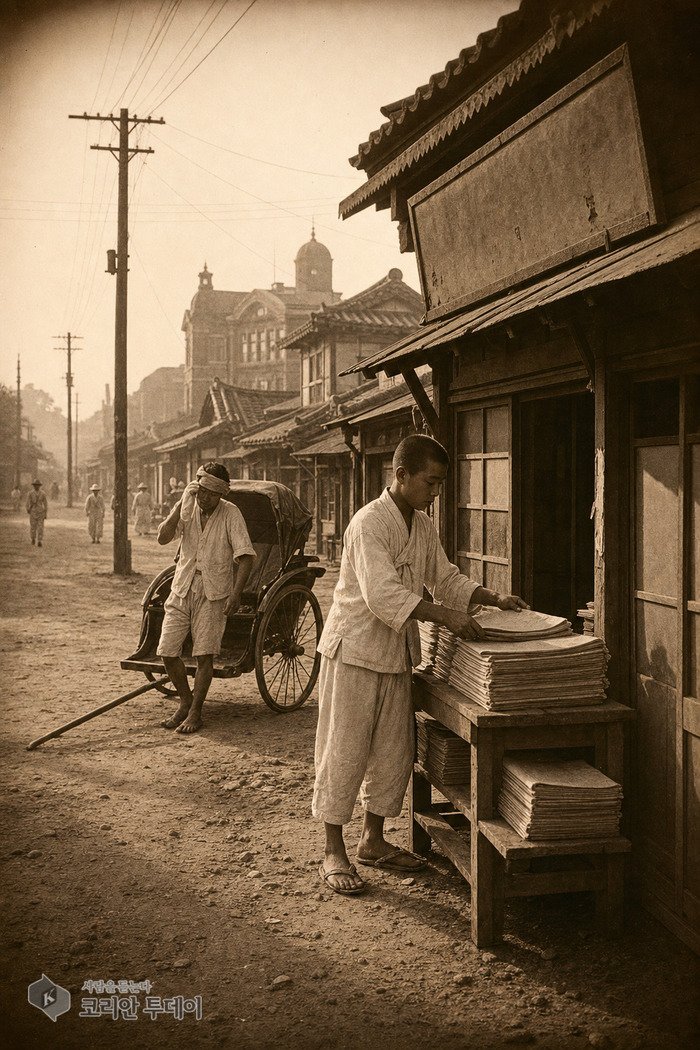
Korea Under Colonial Rule
On this day, Tokyo District Court examining judge Tatematsu Kaisei submitted his resignation; it was formally accepted two days later, on August 11. The story behind it stretched back more than a year. In May 1925, hoping to win their cooperation during the preliminary examination, Tatematsu had secretly photographed Park Yeol — a Korean anarchist — and his common-law wife Kaneko Fumiko sitting side by side, reading together in the interrogation room. In July 1926, that photograph surfaced in the Japanese press alongside a leaked “mystery document,” igniting a scandal that came to be known as the “strange photograph incident” — one serious enough to shake both the judiciary and the cabinet of Prime Minister Wakatsuki Reijirō.
Korean newspapers followed the story closely, even as colonial censors watched every line. According to records preserved in Korea’s National Institute of Korean History archive, the Dong-a Ilbo carried near-daily coverage of the affair from mid-August 1926 until the publication ban on the leaked document was finally lifted the following January — often running it on both the front and second pages simultaneously. The complication was that Park Yeol stood convicted of lèse-majesté, accused of plotting against the imperial family. Reporting sympathetically on “special treatment” shown to a convicted traitor was, under Government-General censorship, a daily balancing act.
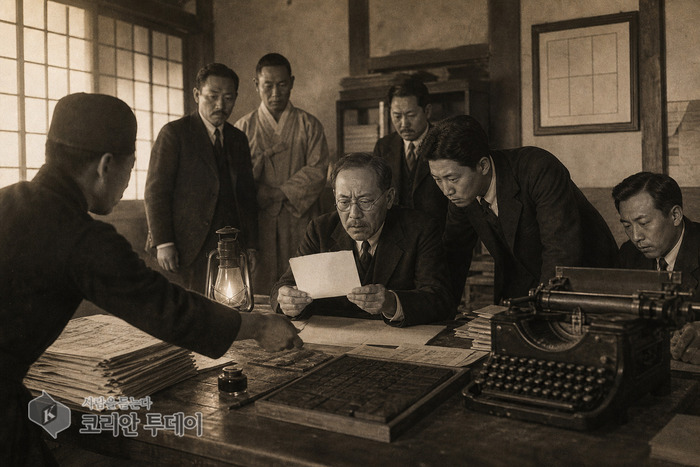
East Asia in Turmoil
Farther south, China’s Northern Expedition — launched the previous month by the Nationalist government’s National Revolutionary Army under Chiang Kai-shek — pressed on through August with an assault on Wuchang. Reports noted that Chiang had offered warlord Sun Chuanfang a chance to defect to the revolutionary cause; the offer was refused. In Tokyo itself, the photograph scandal was doing what few court cases ever managed: threatening the standing of a sitting cabinet over the treatment of a colonized political prisoner.
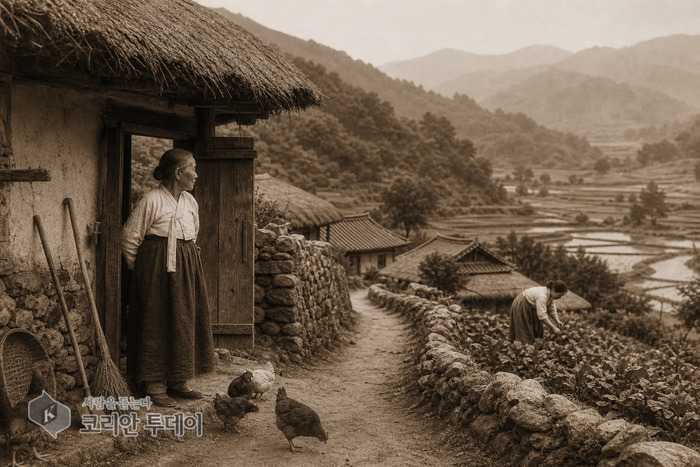
The World Stage
Across Europe, Britain’s nine-day General Strike had ended in May with the Trades Union Congress conceding defeat, but the coal miners it had rallied to support remained locked out of the pits, their dispute still unresolved as summer wore on. The contrast was not lost on observers who followed both stories: in one empire, organized labor fought a losing battle in the open; in another, a colonized political prisoner’s treatment became a scandal precisely because it was meant to stay hidden.
Colonial Parallels
Park Yeol’s case sat within a much larger pattern of empire in the 1920s. In British India, nationalist leaders were regularly imprisoned under sedition laws with far less scrutiny of their treatment behind bars. In Ireland, veterans of the independence struggle knew well how a colonial judiciary could bend procedure when politically expedient — in either direction, toward cruelty or toward compromising leniency, depending on what served the state. In the American-administered Philippines, activists agitating for independence faced similar constraints on what the press could report about their confinement. What made the Park Yeol photograph different was an accident of visibility: the very secrecy meant to control a colonized subject became, once exposed, a liability for the colonizer’s own government.
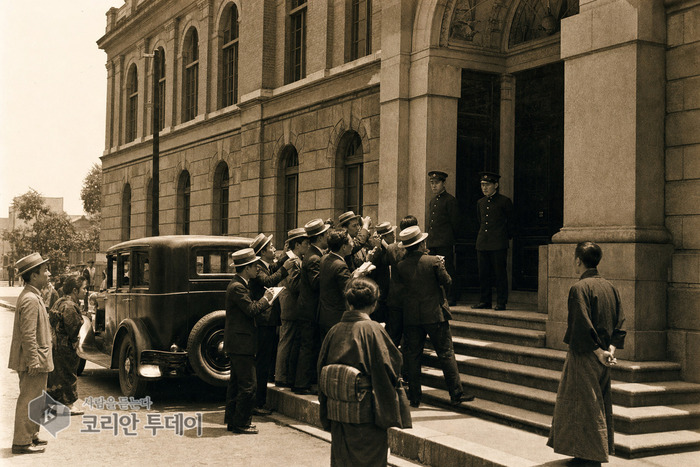
Person of the Day: Park Yeol
Park Yeol was born in Mungyeong, North Gyeongsang Province, and left for Japan as a young man in his teens, drawn into anarchist and anti-colonial circles in Tokyo. He organized the Futeisha, a group of Korean radicals, and after the 1923 Great Kanto Earthquake — when mass violence against Koreans swept Tokyo — he and Kaneko Fumiko were arrested and eventually charged with lèse-majesté over an alleged plot against the crown prince. Sentenced to death on March 25, 1926, both had their sentences commuted to life imprisonment the very same day. By August 1926, Park remained in prison, his case already a byword in Korea for the reach — and the limits — of colonial justice.
Understanding Daily Life
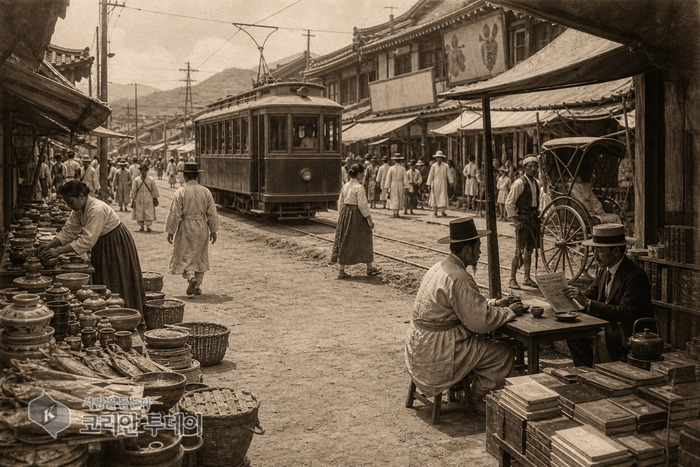
For ordinary Gyeongseong residents, Monday, August 9 began much like any other late-summer workday: newsboys took up their posts at street corners, offices and shops reopened for the week, and vendors at Namdaemun Market set out their goods in the lingering heat. In the teahouses and bookshops along Jongno, though, conversation kept circling back to the telegraph news from Tokyo. Park Yeol’s name was already familiar to young Koreans — his death sentence and dramatic commutation three years earlier had made him a household name. No surviving record shows exactly how, or when, word of that day’s events reached his family in the mountain village of Mungyeong.
Century Mirror
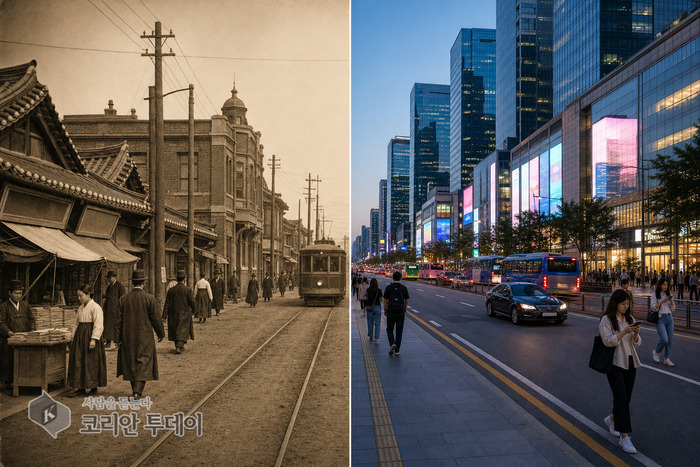
A single photograph, taken to manipulate two prisoners, ended up costing a judge his career and rattling a national cabinet — which says as much about 1926 as any headline could. It reveals just how completely a colonized defendant’s dignity could be denied by default: for contemporaries, two people sitting together reading a book was not evidence of basic humanity, but of scandalous “favoritism” toward a convicted enemy of the state. A hundred years on, court records are published as a matter of principle, defense counsel access is a legal right rather than a scandal waiting to happen, and treatment based on nationality or political belief is, at least formally, prohibited. The distance between those two worlds is the real measure of the century between them.
Tomorrow, Tuesday, August 10, 1926 — join us again at 🕙 10:10 PM KST.
THE KOREAN TODAY × WIA CODE
이 기사의 WIA Code

WIA Code 스캐너로 비추면 인터넷 없이 발행 사실과 위·변조 여부를 확인할 수 있습니다.
휴대폰 기본 카메라로 찍으면 스캐너 안내 페이지가 열립니다 — 기사 바로 열기

움직이는 코드는 스트림입니다 — WIA Code 스캐너로 약 151초 비추면 기사 전문(사진 포함)이 폰에 저장되어 인터넷 없이도 읽을 수 있습니다.
WIA Code · 코리안투데이






Leave a Reply