
On the same day, a thousand bullets tore through a Chicago-area hotel and Seoul went quiet on the eve of its harvest moon.
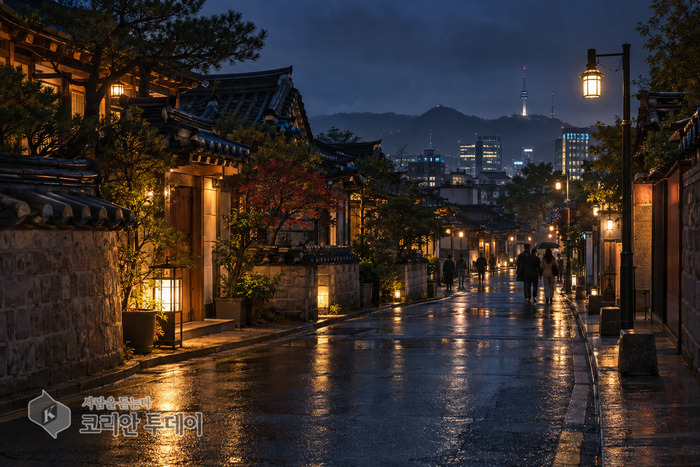
As night falls on Monday, September 20, 1926, we look back 100 years to Gyeongseong (today’s Seoul). It was the 14th day of the eighth lunar month. Chuseok, Korea’s harvest festival, began the next day. Eleven days later, the vast new Government-General building would open before Gyeongbokgung Palace.
For International Readers:
Korea in 1926 was 16 years into Japanese colonial rule (1910-1945). We could not confirm the day’s weather or the pages of that day’s Korean papers, so we stay with what records support.
Sources: Wikipedia “September 1926”; National Archives of Korea
📰 Korea Under Japanese Rule – As Day Ends
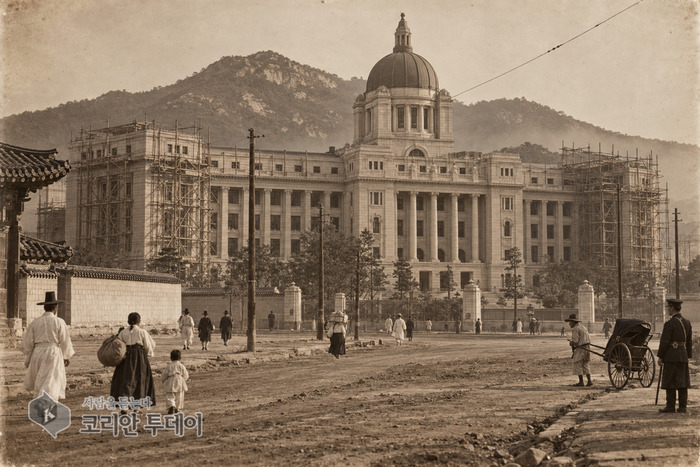
The New Seat of Power
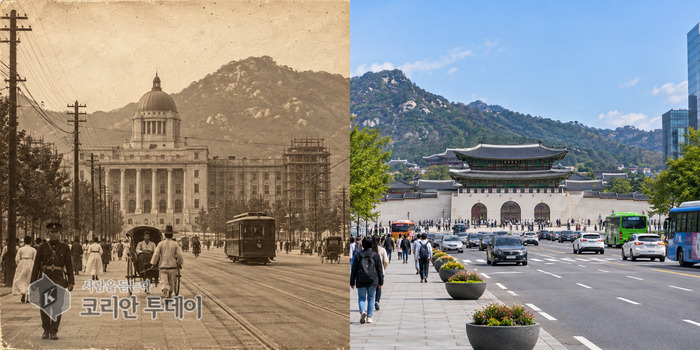
Work began in 1916 on the new Government-General building, on the site of Heungnyemun Gate in Gyeongbokgung. Its frontage ran about 131 meters. Its completion ceremony was set for October 1, the colonial government’s anniversary. We found no text of the September 20 Dong-A Ilbo, Chosun Ilbo or Maeil Sinbo.
Source: National Archives of Korea; Encyclopedia of Korean History (contents.history.go.kr)
The Students Still Waiting
After the June 10 protests at Emperor Sunjong’s funeral, the students were still awaiting judgment. It came nearly two months later, on November 17, at the Seoul District Court: Yi Seon-ho and nine others got one year, suspended for five years, and Park Ha-gyun got one year.
Source: 610manse.or.kr trial record
🌏 East Asia in Turmoil
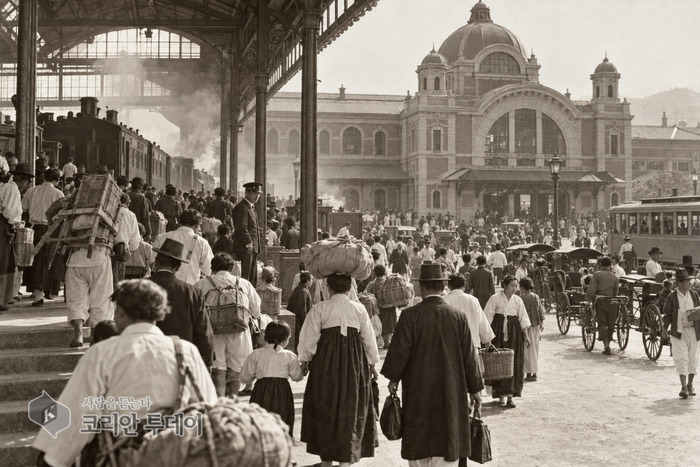
In China, Chiang Kai-shek’s National Revolutionary Army took Hanyang and Hankou on September 6-7. Wuchang, across the river, still held out. On September 5 British gunboats shelled the Sichuan river port of Wanxian after Chinese troops seized two British steamers, and by some accounts nearly a thousand people died. In Japan it was still the Taisho era. Three months later, on December 25, it would become Showa. Word of Korea’s own life that day is thin: a labor strike in Mokpo was in its eighth month as of September 9, and the trial of Korean communists was under way in mid-September.
🌍 The World Stage
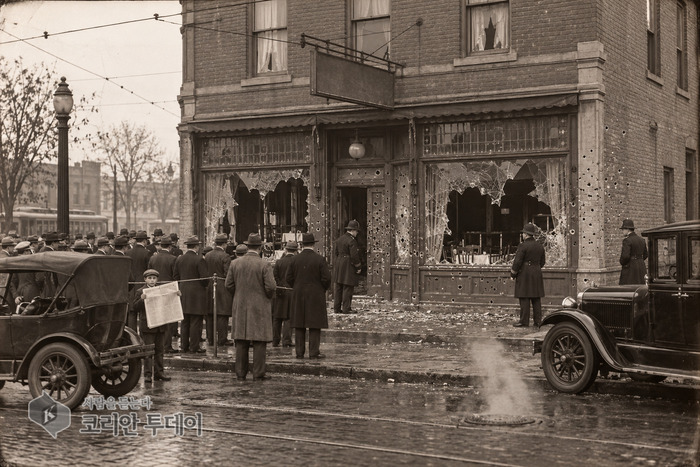
Cicero, Illinois. At the Hawthorne Inn, a convoy of cars drew up while Al Capone was at lunch. Gunmen from the rival North Side gang fired over a thousand rounds into the building. Capone was unhurt. It was early on September 21 in Seoul.
Encarnación, Paraguay. Around 6:45 that evening a tornado struck the city. More than 300 people died, and it is South America’s deadliest tornado on record. In Seoul it was the morning of Chuseok.
Florida. The Great Miami hurricane was still wrecking piers and warehouses on Pensacola Bay. Three days later, Gene Tunney would take Jack Dempsey’s heavyweight title in Philadelphia before 120,557 paying fans.
Europe. Germany joined the League of Nations on September 8. The Locarno treaties took effect on the 14th. On the 17th, Briand and Stresemann met in Thoiry to talk of easing the Rhineland occupation.
⚖️ Colonial Parallels
Gunboat power was not unique to Korea. The British shelling of Wanxian on September 5 showed the same imperial logic: a foreign navy answering a local dispute with fire. Korea’s version was quieter, with police, courts and buildings. We researched no other colonies for this date, so we draw no further comparison.
👤 Person of the Day: Hong Jin
Hong Jin (1877-1946) led the Provisional Government of the Republic of Korea in Shanghai. After Yi Sang-ryong stepped down in February, the cabinet stood empty for months. On July 7, Hong formed a new one. In September he also took the foreign ministry and announced three aims: uncompromising independence work, one great national party, and alliance with oppressed peoples. Feuding exile groups wore him down, and he resigned with his ministers in December. Where he was on September 20 is not recorded.
Source: Wikipedia “Hong Jin”; Korean History Database
🏮 Understanding Daily Life
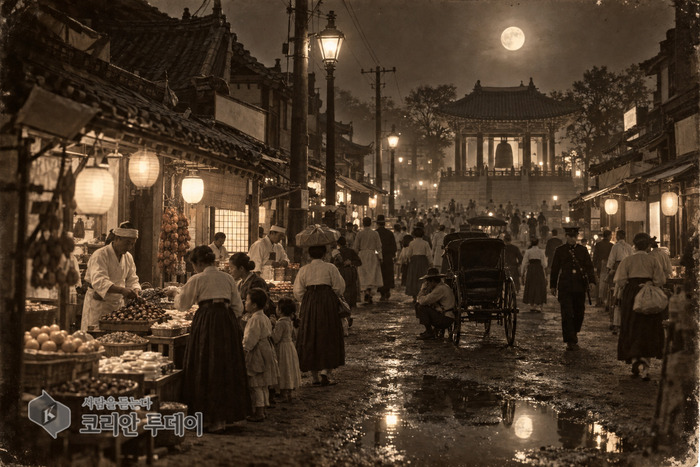
Chuseok falls on the 15th of the eighth lunar month, and in 1926 that was September 21. So September 20 was its eve, with a nearly full moon rising. Day-laborers had carried the bricks of the new building, as our September 2 issue noted, but their names and pay for this day are not recorded, and we will not guess.
🔄 Century Mirror
On October 1, 1926, the Government-General building opened. That evening at 7 p.m., Na Un-gyu’s silent film Arirang premiered at Danseongsa Theater in Jongno. Authorities seized 10,000 promotional flyers and cut some lyrics. The building was demolished in the 1990s. Arirang turns 100 this year, and Chuseok falls on September 25, 2026. The song outlasted the house.
Tomorrow’s Preview
Tomorrow, September 21, 1926: Chuseok in Seoul, as the Miami hurricane weakens over Louisiana.
Join us again at 10:10 PM KST.
The Korean Today • 100 Years Ago Today
global@thekoreantoday.com
Yesterday: September 19, 1926 • Tomorrow: September 21, 1926
© 2026 The Korean Today. All rights reserved.
THE KOREAN TODAY × WIA CODE
이 기사의 WIA Code

WIA Code 스캐너로 비추면 인터넷 없이 발행 사실과 위·변조 여부를 확인할 수 있습니다.
휴대폰 기본 카메라로 찍으면 스캐너 안내 페이지가 열립니다 — 기사 바로 열기
움직이는 코드(스트림) 한 장에 기사 전문(사진 포함)이 담겨 있습니다 — WIA Code 스캐너로 약 151초 비추면 폰에 저장되어 인터넷 없이도 읽을 수 있습니다. Stream.mp4 도 여기서 받습니다.
WIA Code · 코리안투데이






Leave a Reply