
Nine days before a grand new government building opens in Seoul, the city wakes up the morning after the Harvest Moon.
As night falls on Wednesday, September 22, 1926, we look back to Gyeongseong, today’s Seoul. For international readers: Korea was sixteen years into Japanese colonial rule (1910–1945). We could not locate the original text of the day’s newspapers, and no single dramatic event stood out, so tonight we stay with what is confirmed. No weather record was found; it was autumn, the day after Chuseok, the Korean harvest festival.
📰 Korea Under Japanese Rule – As Day Ends
On Sept. 21, Seoul’s courtrooms were busy with a press-law case and Communist Party trials. A column in the Dong-A Ilbo of Aug. 22 had landed its writer and publisher in court; a hearing was held at the Seoul District Court on Sept. 8, and the first and second Korean Communist Party cases were heard on Sept. 13.
Sources: The Korean Today series, Sept. 12 and 21 entries; National History Compilation Committee materials
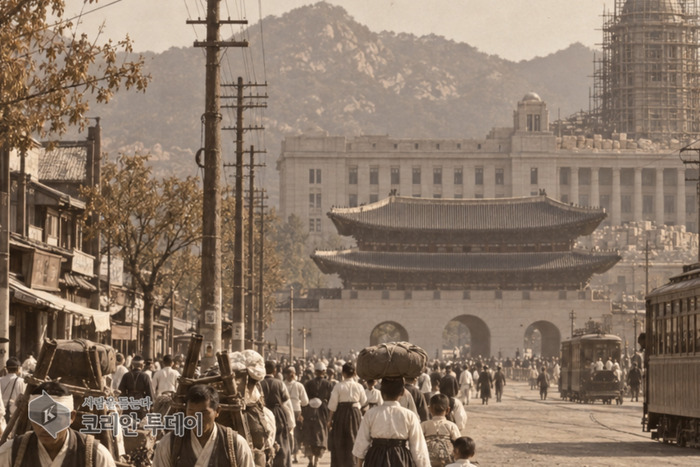
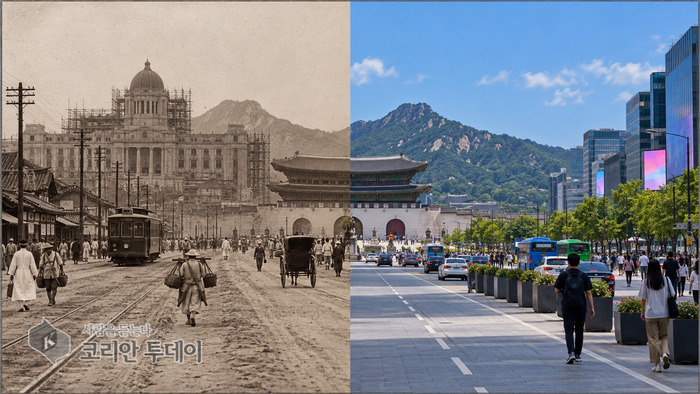
The new Government-General Building at Gwanghwamun: its cornerstone was laid on July 10, 1920 and its roof beam raised on May 17, 1923. Parts of it entered use on Jan. 4, 1926. A completion ceremony was set for Oct. 1, “Administration Commemoration Day,” in the central hall, followed by an afternoon banquet at Gyeonghoeru pavilion. Prices for the day: not found, and we will not guess.
🌏 East Asia in Turmoil
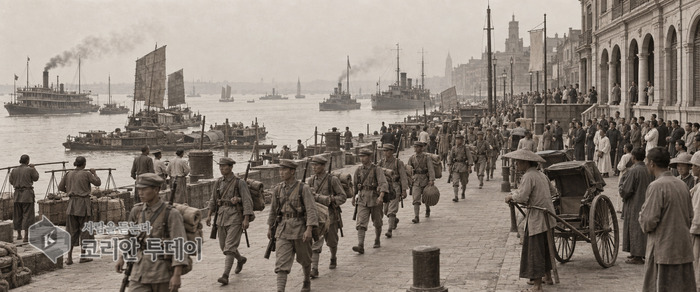
In China, the Kuomintang’s National Revolutionary Army took Hanyang and Hankou on Sept. 6 and 7 and laid siege to Wuchang, which would fall on Oct. 10. In Japan, the Wakatsuki cabinet, in office since Jan. 30, governed while Emperor Taisho, gravely ill, had been moved in August to the Hayama imperial villa.
🌍 The World Stage
On Sept. 21, French aviator René Fonck’s giant Sikorsky crashed on takeoff from Roosevelt Field, New York, on a bid for the first nonstop Atlantic flight; two of his crew died. The Miami hurricane weakened over Louisiana after killing at least 373 people. On Sept. 22, Thomas Edison declared radio “a commercial failure,” promoting his phonograph instead. In Argentina, Law 11,357 was promulgated, granting adult women the same civil rights as men.
🕰️ Colonial Parallels
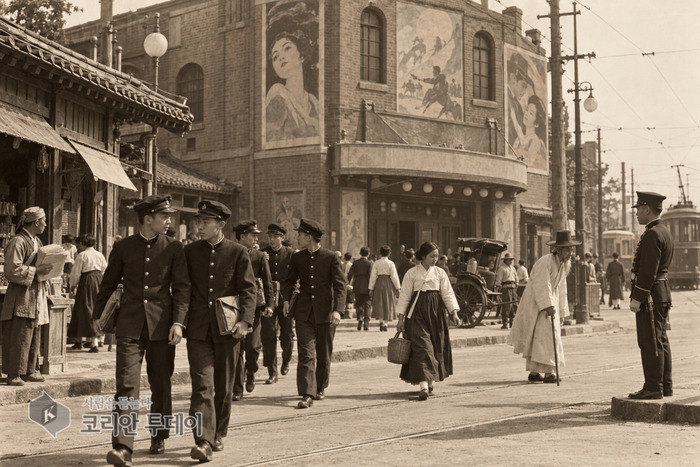
Korea’s students were not alone in living under foreign rule. The Philippines was governed by an American governor-general, Leonard Wood (1921–1927), while in India Gandhi had stepped back from Congress politics for a year. Korean students, meanwhile, were asking for something modest: to be taught their own history and speak their own language in class.
👤 Person of the Day: Kwon O-seol
Kwon O-seol (1899–1930), a Korean Communist Party member, is known as the planner of the June 10 protest during Emperor Sunjong’s funeral. Police arrested him days before it. Students shouted for independence anyway: about 300 from Joongang High School at Danseongsa theater, roughly 200 arrested on the spot, 11 tried. He died in 1930, still in prison.
🏮 Understanding Daily Life
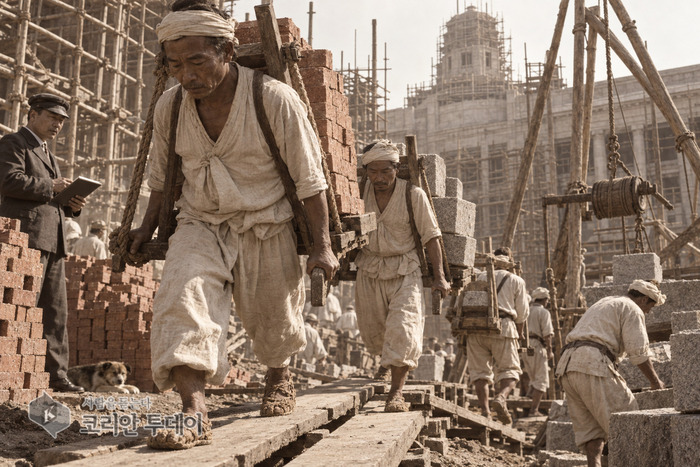
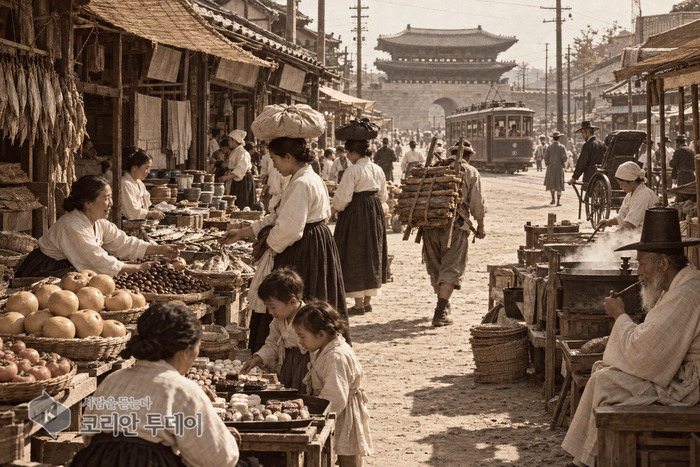
After June, student strikes spread to Sunchang, Gunsan, Ulsan, Pyongyang and Hongseong. Their demands included removing pro-Japanese teachers, teaching Korean history, using Korean in school and student self-government. School strikes rose from 20 in 1920 to 55 in 1925 and 107 in 1930. At the Gwanghwamun site, the bricks still piled up; day laborers hauled them. We found no record of the day’s hour-by-hour life, so we invent none.
🔄 Century Mirror
| Topic | 1926 | 2026 |
|---|---|---|
| School | Teaching Korean history was a strike slogan | Korean history and language are core subjects |
| Music | Edison bet on phonographs over radio | Streaming and K-pop reach the world |
| Gwanghwamun | A colonial headquarters nears completion | That building was demolished in 1995–96 |
Tomorrow’s Preview
Tomorrow is Thursday, Sept. 23, eight days before the ceremony. In Philadelphia, Gene Tunney will meet Jack Dempsey for the heavyweight title. Good night, and see you tomorrow.
THE KOREAN TODAY × WIA CODE
이 기사의 WIA Code

WIA Code 스캐너로 비추면 인터넷 없이 발행 사실과 위·변조 여부를 확인할 수 있습니다.
휴대폰 기본 카메라로 찍으면 스캐너 안내 페이지가 열립니다 — 기사 바로 열기
움직이는 코드(스트림) 한 장에 기사 전문(사진 포함)이 담겨 있습니다 — WIA Code 스캐너로 약 160초 비추면 폰에 저장되어 인터넷 없이도 읽을 수 있습니다. Stream.mp4 도 여기서 받습니다.
WIA Code · 코리안투데이






Leave a Reply