
🕙 Good evening. It’s 10:10 PM KST (1:10 PM UTC), August 10, 2026 — and tonight we step back exactly one century, to a Tuesday in Gyeongseong, colonial Seoul, on August 10, 1926. Two months earlier, students had shouted for independence in the streets outside Changdeokgung Palace. Tonight, that story still hadn’t ended — it had simply moved indoors, into a courthouse corridor.
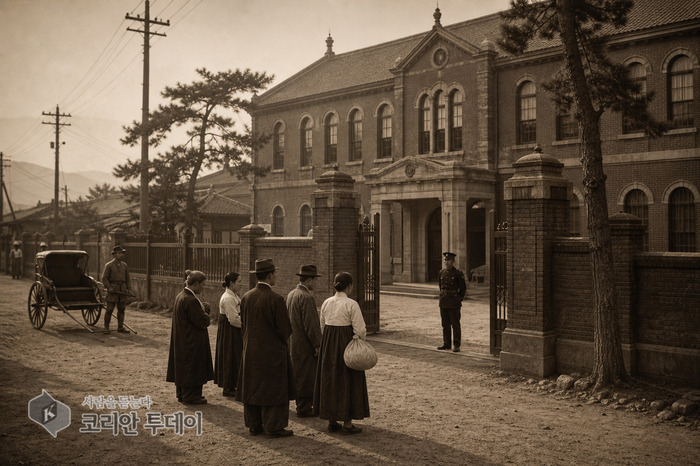
Korea Under Colonial Rule
On June 10, 1926, as the funeral procession of the deposed Emperor Sunjong wound through the streets, students seized the moment to shout “Manse!” — long live Korea. Colonial police swept up roughly a thousand people nationwide. Fifty-eight came from Jungang School, forty-two from Yonhui College, eight from Severance Medical School, seven from Bosung School, and some two hundred more from schools across the peninsula.
By August 10, the summer had turned into something quieter but no less grinding: two straight months of interrogation at the Seoul District Court prosecutor’s office. Families gathered outside the gates each morning, straining to hear whether their son’s or daughter’s name would be called that day.
Historians who have studied the case note something telling about the Government-General’s strategy: rather than prosecute the full thousand arrested and expose how brutal — and how widespread the resistance to — colonial rule really was, officials dragged the interrogations out for months while narrowing the list of those who would actually stand trial. (Note: the exact front-page coverage of August 10 itself could not be confirmed; this account draws on the broader, well-documented summer-long interrogation process that led to trial that November.)
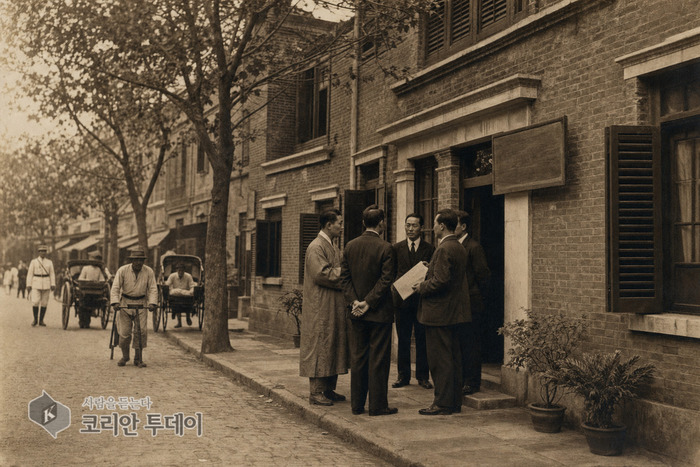
East Asia in Turmoil
Korea’s story that summer did not stand alone. Provincial schools were still turning up new suspects tied to the June protests, even as the Government-General pressed forward with the second ten-year phase of its Rice Production Increase Plan, plowing more paddies into cultivation. Rice yields climbed — but word on the street was that the share actually reaching Korean dinner tables kept shrinking.
Across the sea in Shanghai, there was different news. The Provisional Government of the Republic of Korea had, just the month before, moved into new offices — made possible by an economic support society organized by independence leader An Chang-ho. Sixteen years after Korea’s annexation, the government-in-exile was still poor, still scattered, and still, somehow, alive.
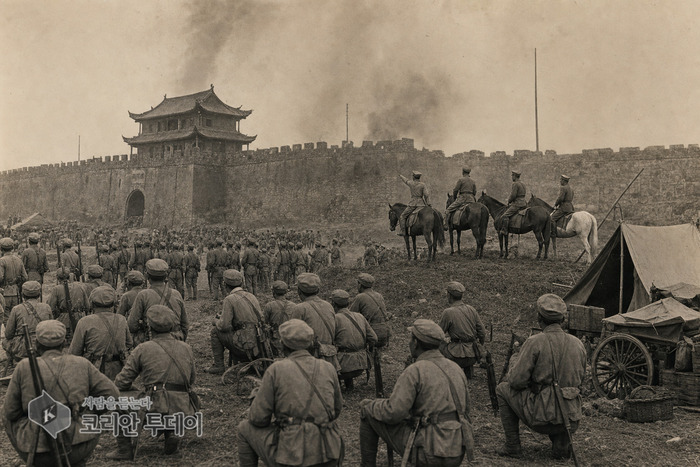
The World Stage
Gunfire hadn’t stopped in China either. Chiang Kai-shek’s National Revolutionary Army pushed north in its Northern Expedition, encircling the city of Wuchang. Chiang reportedly offered rival warlord Sun Chuanfang a chance to surrender and join the revolutionary cause; Sun refused. The war to reunify a fractured China showed no sign of ending that summer.
Across the Atlantic, grim news was still trickling in from Canada. A powerful storm had torn through the waters off Nova Scotia days earlier, sinking fishing schooners that carried no radio equipment — so confirmation of the losses came agonizingly slowly. Forty-eight men from the LaHave area alone never came home. Just days before that, twenty-year-old American swimmer Gertrude Ederle had become the first woman to cross the English Channel — grief and wonder arriving in the same week’s headlines.
Colonial Parallels
Gyeongseong’s summer of quiet, grinding interrogation had counterparts across the colonized world. In British India, nationalist leaders faced similar patterns of prolonged detention without full public trial, a tactic colonial administrations from Dublin to Delhi used to manage unrest without granting it the legitimacy of open courtroom drama. In the Philippines, under American administration, student and labor organizers likewise learned that the empire’s courts moved slowly — and selectively — when politically inconvenient movements were involved. The pattern in 1926 Korea was not unique; it was, in a sense, the standard playbook of colonial control everywhere empires feared their own subjects’ courage.
Person of the Day
Among the arrested was Park Yong-gyu, a young student swept up in the June 10th crackdown. Records show he would eventually be sentenced by the Seoul District Court to one year in prison for violating public order and publication ordinances. On this August evening, though, his fate — like that of hundreds of his classmates — was still undecided, hanging in the humid limbo of an ongoing investigation, three months before any verdict would be read.
Understanding Daily Life
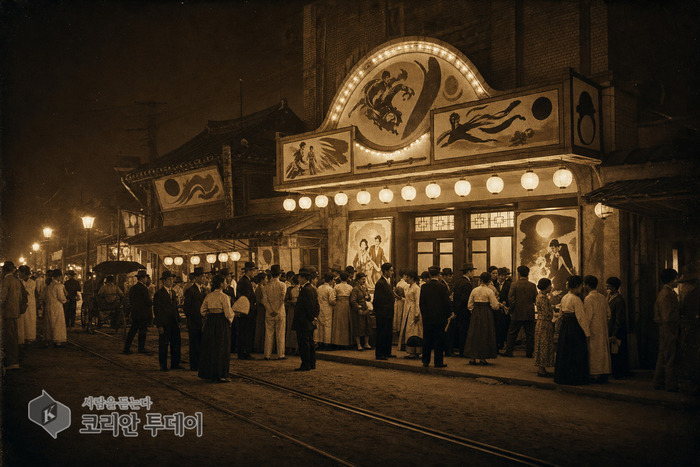
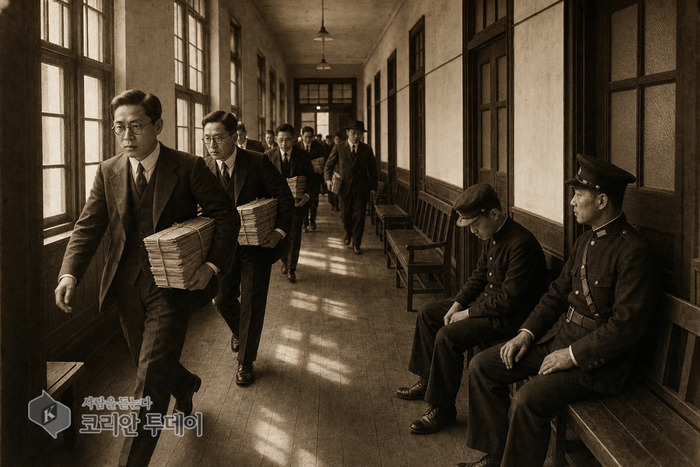
For ordinary Gyeongseong residents not caught up in the investigation, life adapted around the summer heat and the news cycle. Lawyers hurried through prosecutor’s-office corridors with bundles of documents. Families waited in whatever shade the courthouse walls offered. Come evening, Jongno’s entertainment district lit up: the marquees of Dansungsa, Chosun Theater, and Umigwan drew crowds eager to lose themselves in silent film for an hour, while nearby cafes played gramophone records and bookstores along Gwanghwamun-tong stayed open late into the warm night. The city held both realities at once — a courthouse full of unresolved fear, and a theater street full of ordinary joy.
Century Mirror
| Category | 1926 | 2026 |
|---|---|---|
| Legal process | Indefinite interrogation without warrant, under the Peace Preservation Law | Warrant requirements and guaranteed right to counsel |
| Trial transparency | Case scope narrowed and closed at the Government-General’s discretion | Open-trial principle with press access |
| Evening entertainment | Silent films at Dansungsa and gramophone cafes | Streaming platforms and multi-format media |
| News speed | Transatlantic disaster news delayed by days | Real-time global news access |
A century ago, Gyeongseong’s courts demanded silence. Tonight’s courts, at least in principle, are built to protect the people who stand inside them — a difference earned, not given, over a hundred years of struggle.
Tomorrow, we turn to August 11, 1926 — another day in that same long, humid Seoul summer. 🕙 Same time tomorrow, 10:10 PM KST. Sleep well.
THE KOREAN TODAY × WIA CODE
이 기사의 WIA Code

WIA Code 스캐너로 비추면 인터넷 없이 발행 사실과 위·변조 여부를 확인할 수 있습니다.
휴대폰 기본 카메라로 찍으면 스캐너 안내 페이지가 열립니다 — 기사 바로 열기

움직이는 코드는 스트림입니다 — WIA Code 스캐너로 약 113초 비추면 기사 전문(사진 포함)이 폰에 저장되어 인터넷 없이도 읽을 수 있습니다.
WIA Code · 코리안투데이






Leave a Reply