
Fifteen Days Into the Genkai Strait Mystery, Schoolboys Still Take the Field
It is Wednesday evening, August 18, 1926, in Gyeongseong. The late-summer heat has not broken. Fifteen days ago, two young Koreans vanished into the Genkai Strait between Japan and Korea, and the sea still has not given them back. Yet the city keeps its rhythm — vendors call out in the market lanes, and at the ballfield on the edge of town, schoolboys are shouting for a base hit.
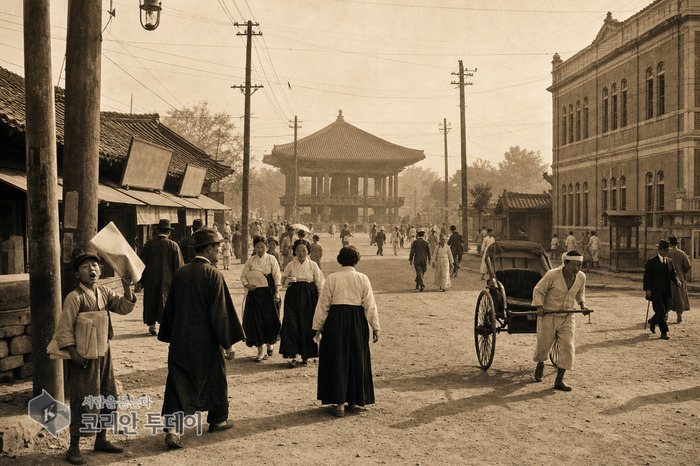
Korea Under Colonial Rule
Fifteen days into what Korean newspapers are calling the Genkai Strait mystery, no bodies have surfaced. On August 5, the Dong-a Ilbo ran the headline that started it all: “A Double Suicide of a Young Man and Woman Amid the Waves of the Genkai Strait — the Man Kim Woo-jin, the Woman Yun Sim-deok,” reporting that as the Shimonoseki–Busan ferry passed Tsushima around four in the morning on August 4, a woman in Western dress and a middle-aged gentleman had embraced on deck and thrown themselves into the sea. The Maeil Sinbo filled its entire society page with the story that same day. Yun, celebrated as Korea’s first trained soprano, and Kim, a playwright, have not been found since — only rumors: sightings, whispers that it was flight rather than death, and talk that a recording of Yun’s voice may be pressed before the month is out.
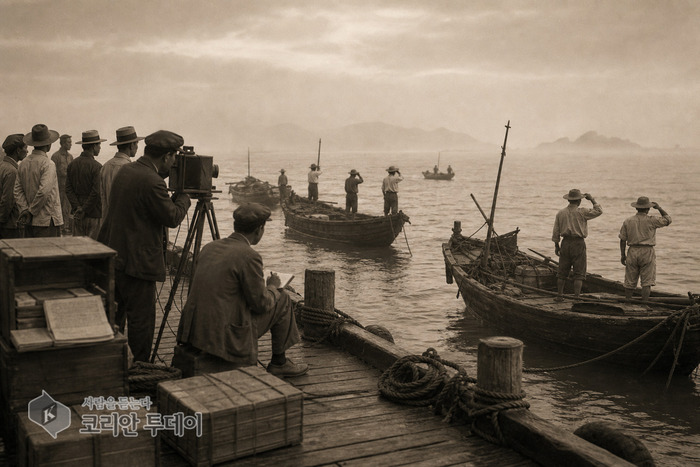
East Asia in Turmoil
South of the Yalu, China’s National Revolutionary Army continues its Northern Expedition, pressing from Hunan into Hubei toward Wuchang, the gateway to Wuhan. Reports say Chiang Kai-shek offered warlord Sun Chuanfang a chance to defect to the revolutionary cause — an offer Sun refused. In Tokyo, a leaked prison photograph of a Korean anarchist and his Japanese wife embracing behind bars continues to embarrass officials in the Ministry of Justice, a scandal Korean readers have followed almost as closely as the Genkai Strait story.
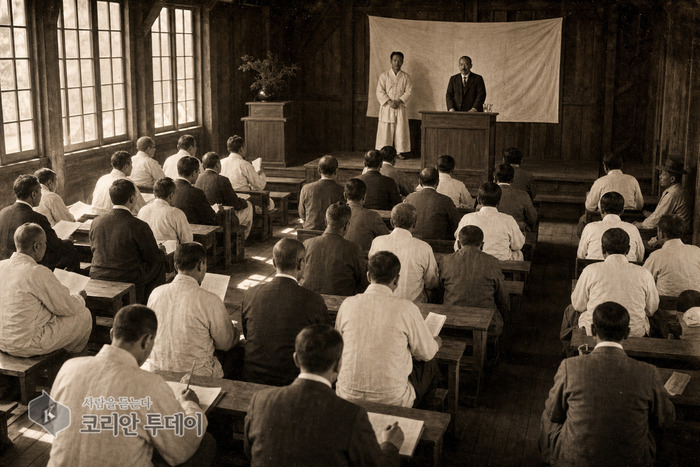
The World Stage
In the United States, a weather map was transmitted by radio for the first time today, sent from the Arlington radio station in Virginia to the Weather Bureau in Washington — a small technical marvel hinting at how pictures, not just words, might one day travel through the air. In Kent, England, an Air Union passenger plane crashed into a barn while attempting an emergency landing in poor weather; two passengers were killed instantly, and the pilot died of his injuries the next day.
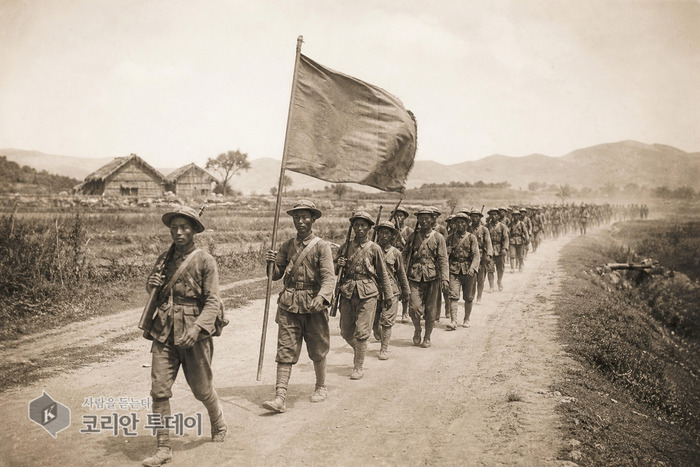
Colonial Parallels
Colonial subjects across the world were, that same summer, negotiating their own uneasy peace with empire. In French Morocco, resistance leader Abd el-Krim had surrendered in May and was now in exile on the island of Réunion, the Rif War effectively over even as small pockets of fighting dragged on. In British India, calls for self-rule were growing louder in the press even as censorship tightened. Korea’s own press faced the same pressure: on August 1, the magazine Gaebyeok was banned outright after publishing an essay on Soviet agricultural schools, accused of “disturbing public order” — a phrase colonial censors used often, and vaguely.
Person of the Day
Yun Sim-deok trained as a soprano in Tokyo, one of the first Korean women to study Western vocal music abroad, and returned home to a country hungry for new voices. By the summer of 1926 she had recorded dozens of songs, including one, “In Praise of Death,” whose Korean title now reads, to a public still waiting for her body to be found, like an epitaph she wrote for herself. Whether her final act on the ferry deck was despair, love, or something else entirely, Koreans in August 1926 do not yet know — and neither, a century later, does anyone else.
Understanding Daily Life
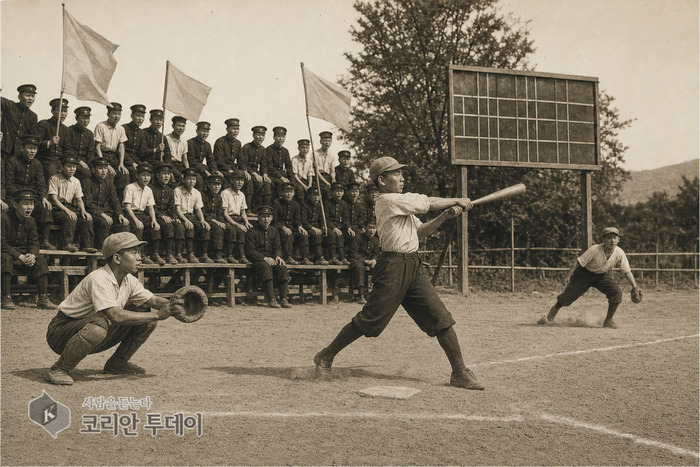
Away from the headlines, Wednesday in Gyeongseong belonged to the young. At the city ballfield, alumni and current students from four leading private schools — Baejae, Chungang, Hwimun, and Gyeongsin — played in a league organized by the Dong-a Ilbo, their classmates cheering in school uniforms. Elsewhere, students on summer break traveled to their home villages to teach Hangeul literacy and help with farm work, part of a growing rural-enlightenment movement among educated youth. In the market alleys, vendors sold melons and corn to children darting between the stalls, summer proceeding as it always had, mystery or no mystery.
Century Mirror
A century ago, one newspaper-sponsored tournament among four schools could hold a city’s attention for a summer. Today, national leagues, broadcast contracts, and online fan communities carry that same energy at a scale 1926 could not imagine. And where students once taught neighbors to read by hand, in villages reachable only on foot, today’s version travels through university volunteer programs and digital platforms. The impulse — young people sharing what they know — has outlasted every technology built to carry it.
Tomorrow’s Preview
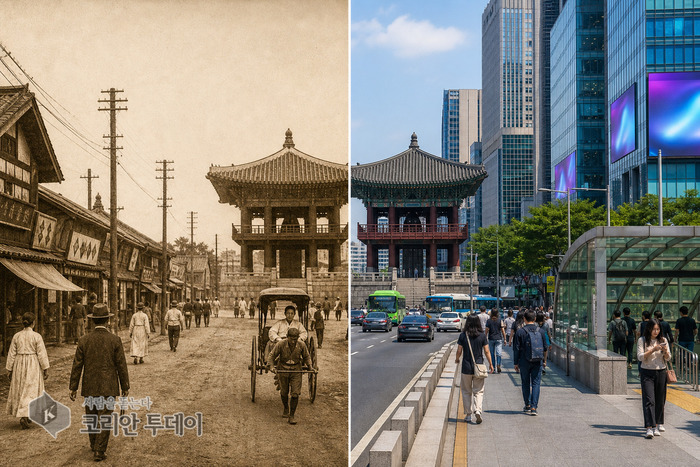
The fog over the Genkai Strait will not lift by morning. But Jongno will wake again tomorrow, August 19, 1926, and somewhere a boy will throw another pitch. Good night, and see you tomorrow evening.
THE KOREAN TODAY × WIA CODE
이 기사의 WIA Code

WIA Code 스캐너로 비추면 인터넷 없이 발행 사실과 위·변조 여부를 확인할 수 있습니다.
휴대폰 기본 카메라로 찍으면 스캐너 안내 페이지가 열립니다 — 기사 바로 열기

움직이는 코드는 스트림입니다 — WIA Code 스캐너로 약 146초 비추면 기사 전문(사진 포함)이 폰에 저장되어 인터넷 없이도 읽을 수 있습니다.
WIA Code · 코리안투데이






Leave a Reply