
100 Years Ago Today
Hook Opening
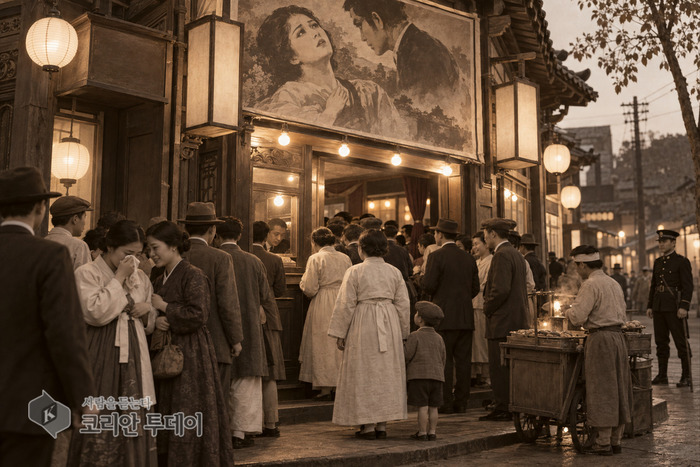
It is Monday evening in Seoul, October 18, 1926. The week’s work is done for the first day, and the lamps are coming on. Two weeks earlier, the colonial government had celebrated its vast new headquarters in front of Gyeongbokgung Palace. On the very same day, a few streets away, a silent film opened that would make audiences weep and sing along.
A note on sources: this research did not turn up the newspapers or weather of October 18 itself. Rather than invent a scene, we place this Monday inside the confirmed events around it, and we flag what remains unverified.
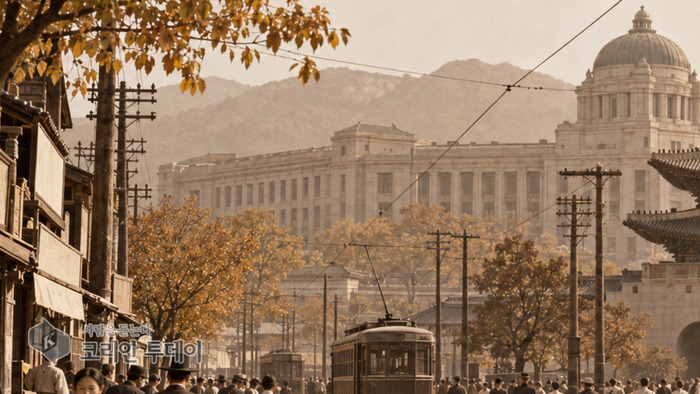
Korea Under Colonial Rule
The Government-General of Korea had moved into its new building in January 1926 and held a formal completion ceremony on October 1, Colonial Administration Day. Built on the grounds of the royal palace after much of the historic complex was demolished, the building was meant to display Japanese power.
That same day, the Korean-owned Danseongsa Theater in Jongno premiered Na Un-gyu’s film “Arirang.” Accounts say audiences wept and sang along as the film ended. It is considered the first great box-office success of Korean cinema and later traveled to theaters and villages across the country.
Four months earlier, on June 10, the funeral of Emperor Sunjong had brought students and citizens into the streets shouting for independence. Crackdowns on Korean communist organizers followed in 1926, though sources disagree on whether they came in July or August. Whether any arrest or protest occurred on October 18 is not confirmed. The Governor-General was Saito Makoto, in office from August 1919 to April 1927.
Unverified: theater attendance, newspaper content and weather for October 18.
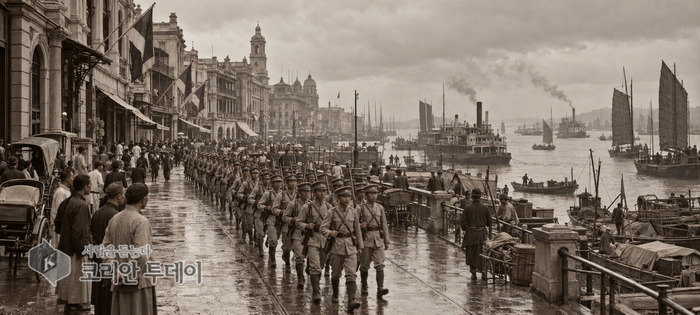
East Asia in Turmoil
In China, the Nationalist Northern Expedition, launched in July, took the three Wuhan cities (Wuchang, Hankou and Hanyang) after fighting from August to October. Wuchang is said to have held out for weeks before falling on October 10, the fifteenth anniversary of the 1911 uprising there.
The campaign would shape Asia for years. The Wuhan government later broke with Chiang Kai-shek in April 1927, after his purge of communists in Shanghai. For Koreans, who had a provisional government in exile and many activists in China, such news carried particular weight.
The World Stage
Calvin Coolidge was President of the United States and Stanley Baldwin was Prime Minister of Britain. In Britain, the long coal miners’ dispute was winding down, with more than 170,000 miners already back at work as local settlements were made. In Turkey, Islamic courts closed as a new civil code took effect under Mustafa Kemal Atatürk. In Mexico, an uprising spread into southern Guanajuato.
These events belong to October 1926; they are not confirmed as having happened on the 18th.
Colonial Parallels
A new seat of government built to impress, a population watched by censors, and popular culture that quietly carried national feeling: this pattern was not unique to Korea. Under foreign rule, theaters, songs and newspapers often became the places where a people could feel itself a people. “Arirang” is a Korean example, a folk song that audiences turned into a shared voice.
We have not verified specific comparisons for this date, so we offer only this general observation.
Person of the Day
Our sources name no individual whose actions on October 18 are documented, so we will not invent one. Instead, think of the audience member in Danseongsa that autumn: someone who spent a Monday at work, then joined a crowd in the dark to watch a story about their own country, and left singing.
This is a reflection, not a documented account of a real person.
Understanding Daily Life
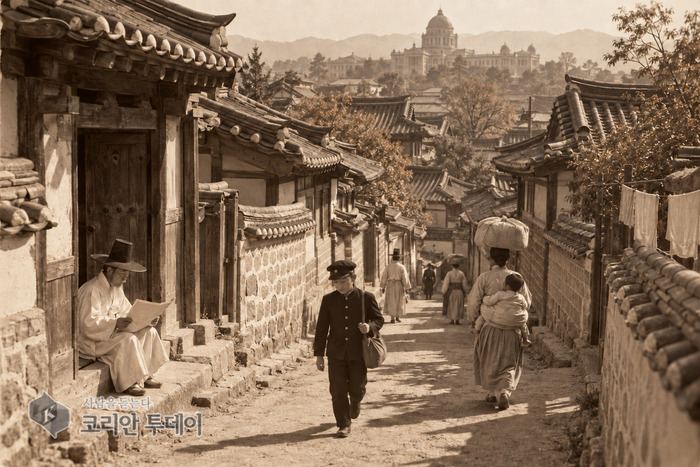
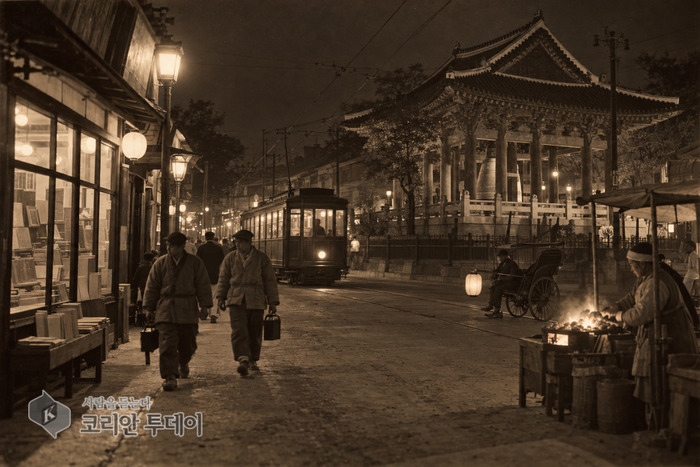
Daily life in Seoul combined tiled-roof neighborhoods, tram lines, brick government offices and busy theaters. Silent films were shown with a live narrator, called a byeonsa. News arrived through censored daily papers. Wages and prices for this particular day were not found, so we offer no figures.
Century Mirror
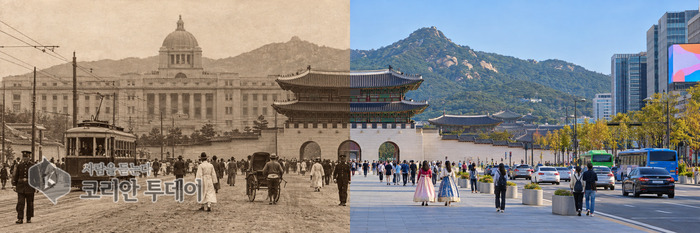
A century later, the building that blocked the palace is gone, the gate and palace have been restored, and Korean films and songs reach audiences around the world. The Korean Wave did not appear from nowhere. One of its early roots is a 1926 theater where strangers cried and sang together.
Tomorrow’s Preview
Tomorrow is Tuesday, October 19, 1926. Join us again at 10:10 PM KST for another page from a century ago.
THE KOREAN TODAY
THE KOREAN TODAY × WIA CODE
이 기사의 WIA Code

WIA Code 스캐너로 비추면 인터넷 없이 발행 사실과 위·변조 여부를 확인할 수 있습니다.
휴대폰 기본 카메라로 찍으면 스캐너 안내 페이지가 열립니다 — 기사 바로 열기
움직이는 코드(스트림) 한 장에 기사 전문(사진 포함)이 담겨 있습니다 — WIA Code 스캐너로 약 134초 비추면 폰에 저장되어 인터넷 없이도 읽을 수 있습니다. Stream.mp4 도 여기서 받습니다.
WIA Code · 코리안투데이






Leave a Reply