
Ulsan’s tap water has been confirmed safe for drinking at every stage of its supply process, from water treatment plants to household faucets, according to the latest water quality inspection results released by the Ulsan Metropolitan City Waterworks Authority.
The announcement, made on January 25, follows a series of water quality tests conducted throughout December. The inspections covered treated water from the Hoeya and Cheonsang Water Treatment Plants and assessed a total of 60 quality indicators. All test results met Korea’s national drinking water standards, reaffirming the safety and reliability of Ulsan’s tap water.
Microbiological tests, including those for general bacteria, total coliforms, and Escherichia coli, showed either non-detectable levels or full compliance with safety criteria. These results indicate that basic sanitary conditions are being consistently maintained throughout the system.
In addition, tests for inorganic substances with potential health impacts—such as ammonia nitrogen, nitrate nitrogen, fluoride, heavy metals, and boron—also remained below regulatory limits. Hazardous organic compounds, including phenol, benzene, and carbon tetrachloride, were not detected in any samples.
Disinfection-related substances were likewise found to be within safe ranges. Residual chlorine, total trihalomethanes, and chloroform were either undetectable or well below allowable thresholds. Sensory quality factors, such as odor, taste, color, and turbidity, also met all standards, ensuring both safety and consumer satisfaction.
What sets this inspection apart is its scope. Beyond treatment plants, Ulsan conducted monthly water quality tests at 104 household faucet locations selected based on population distribution, as well as at 10 faucets connected to older pipelines. Furthermore, 24 key points along the water supply process—from treatment and storage to distribution—were inspected quarterly. All locations passed the drinking water safety criteria.
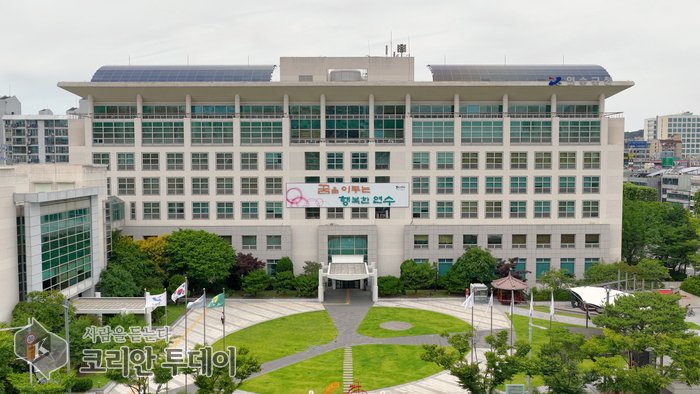
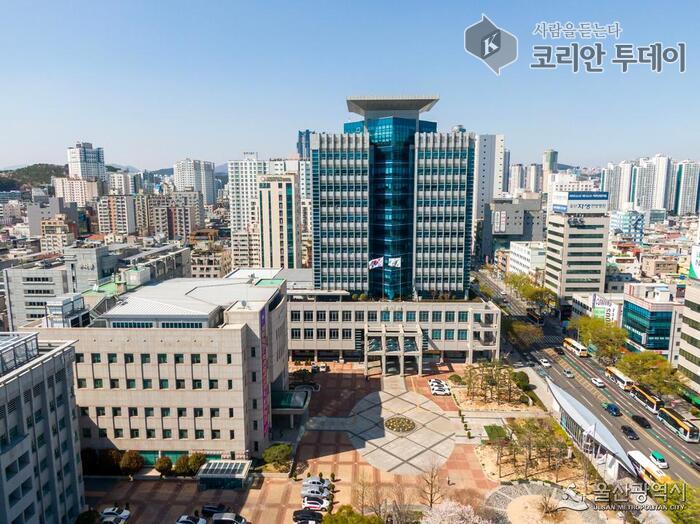 [The Korean Today] Ulsan City Hall exterior view © By Soyoung Jeong |
The Ulsan Metropolitan City Waterworks Authority emphasized that these results reflect a long-term commitment to rigorous water management rather than a one-time achievement. Regular inspections, stricter-than-required internal standards, and systematic oversight of aging infrastructure have all contributed to maintaining water quality across the city.
“We are committed to ensuring that citizens can safely drink tap water with confidence,” an official from the Waterworks Authority said. “Through continuous monitoring and preventive management, we will continue to strengthen the safety of Ulsan’s water supply system.”
Ulsan also operates a citizen-participation program called the “Home Tap Water Safety Check,” which allows residents to request free water quality testing in their homes. The program aims to address concerns related to household plumbing and to further enhance transparency. Detailed test results are publicly available on the Waterworks Authority’s official website.
As concerns over water safety grow globally due to climate change and aging infrastructure, Ulsan’s comprehensive inspection results highlight the importance of end-to-end water quality management. The findings confirm that Ulsan’s tap water is not only compliant with standards at the source, but also remains safe at the point of consumption.
[ By Soyoung Jeong | Ulsan Gangbuk | ulsangangbuk@thekoreantoday.com ]
 |


Leave a Reply