
The Incheon Metropolitan Government will launch a conduct inspection of executives at its affiliated public corporations and agencies this month to promote accountable management and establish public-service ethics. Carried out for the first time in four years since 2022, the inspection will focus intensively on top-tier executives at the director-general level and above.
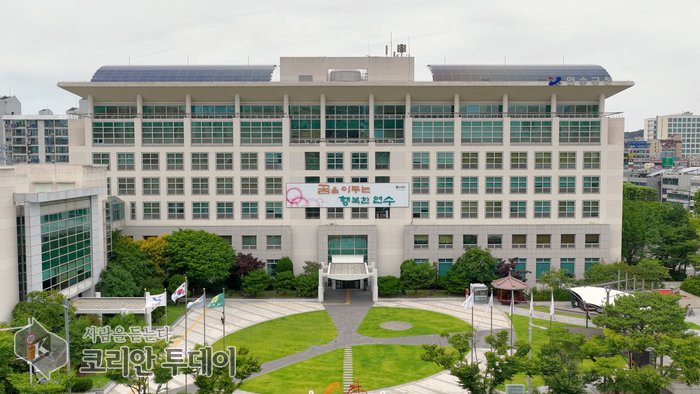
 [코리안투데이] A view of Incheon Metropolitan City Hall © 장형임 기자 |
The Incheon Metropolitan Government (Mayor Park Chan-dae) announced that, beginning this month, it will conduct a conduct inspection targeting executives and others at its affiliated public corporations and agencies. It is the first conduct inspection aimed at the executives of affiliated public institutions in four years, since 2022.
Over this period, the press, the city council and others had offered various recommendations regarding the conduct management of affiliated public institutions, and the transition committee for the ninth popularly elected Incheon mayor had also recommended the need for a conduct inspection. The city explained that it comprehensively gathered these opinions and prepared the inspection to provide institutional support for the accountable management of public institutions at a time when the key policies and core projects of the ninth popular-election administration are moving into full gear.
The inspection focuses on top-tier executives at the director-general level and above rather than on rank-and-file staff. This reflects the fact that each institution already operates regular comprehensive audits and standing internal audit bodies. The city stated that, because conduct lapses by top-tier executives who decide and oversee an institution’s major policies and projects and who set the tone of its organizational culture have a significant impact on the discipline and culture of the entire institution, it will concentrate on establishing a responsible attitude among these executives so as to heighten the vigilance of all employees and to instill sound conduct discipline.
The main items under review include basic conduct management such as commuting, business trips and absence from the workplace; improper use of public resources such as business-promotion expenses and official vehicles; unfair orders or personal errands issued by exploiting one’s position; compliance with the code of conduct for executives and staff and with internal conduct regulations; and misconduct that undermines the dignity expected of a public-institution executive or erodes citizens’ trust, such as drunk driving.
In particular, in light of recent cases of drunk driving by some executives and staff of the corporations and agencies, the city plans to closely examine the relevant facts, the appropriateness of each institution’s follow-up measures, and the state of preventive education and internal conduct management.
The city has decided to take stern action, in accordance with the relevant regulations, on any matters identified through the inspection. It will also review whether each institution’s internal audit function is operating appropriately and, where weaknesses in conduct management or unreasonable practices are found, plans to pursue institutional improvements in parallel so that each institution can correct them on its own.
This inspection carries significance in that the transparency and accountability of public-institution operations ultimately translate into trust in the public services that are directly tied to citizens’ daily lives. The city’s aim is to tighten conduct discipline starting with top-tier executives and thereby enhance its internal-control capacity.
Yoon Dae-gi, the city’s auditor, said, ‘This inspection is a measure to ensure that the key administrative tasks of the ninth popular-election administration proceed without a hitch by having top-tier executives fulfill their duties even more thoroughly,’ adding, ‘We will further strengthen the accountability and internal-control capacity of our public institutions so that they can be reborn as institutions more trusted by citizens.’




Leave a Reply