English · 지승주 ·
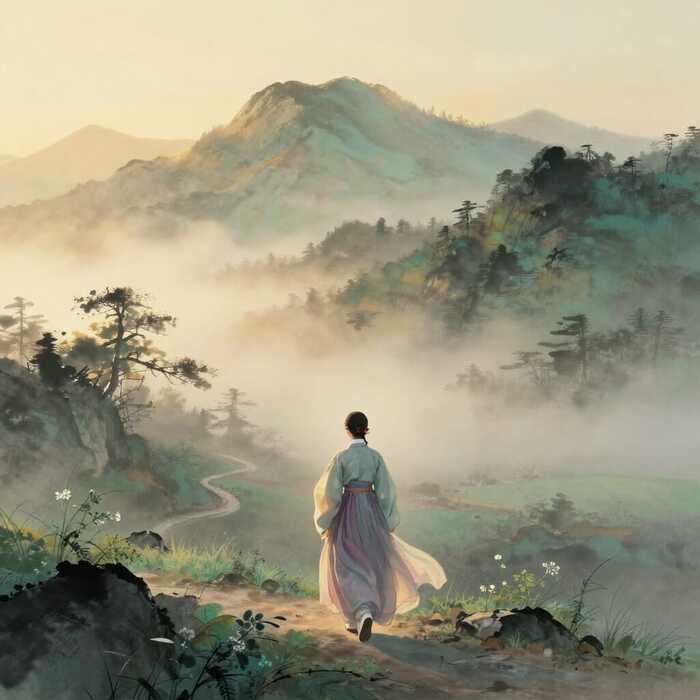
Arirang: The Face of Joy That Greets Us Beyond the Hill of Sorrow
AI 3-line summary
- The column urges readers to interpret Arirang not as a song of resentment (han) but as a song of enlightenment that leads to finding the "true self."
- The writer interprets Arirang (我理朗) as "a song that leads to joy by understanding the principle of finding oneself," linking it to the Buddhist concept of the other shore.
- The author notes that Arirang was inscribed on UNESCO's Intangible Cultural Heritage list in 2012 and encourages readers to look back on their own hill.
Summary written by AI from the original article · 88 languages
Read the full article (machine translation) → Original article (Korean): 112. 아리랑, 슬픔의 고개를 넘어 마주하는 환희의 얼굴
AI 3-line summaryMore ›

[100 Years Ago Today] October 18, 1926 - Monday in Gyeongseong, Two Weeks After the New Government-General Building Opened, as Arirang Continued to Screen

Korea Photo Literature Association Holds 2026 Autumn Literature Festival, Opening New Possibilities for Literature and AI Video Art

[History Lives - Silla Edition] Episode 4: Under Goguryeo's Shadow - King Silseong and King Nulji

[Day 143] The First Plan We Shared

Housing Welfare Capacity-Building Training Held in Second Half of 2026