
새소리와 풀벌레 소리, 바람에 흩날리는 꽃잎과 생명을 다해 흙으로 돌아가는 낙엽까지. 서양화가 구영란 작가는 일상에서 마주하는 자연의 움직임과 감정을 화폭에 담는다. 눈앞의 풍경을 그대로 재현하기보다 자연에서 받은 에너지와 울림을 색채와 조형 요소로 풀어내는 것이 그의 작품세계다.
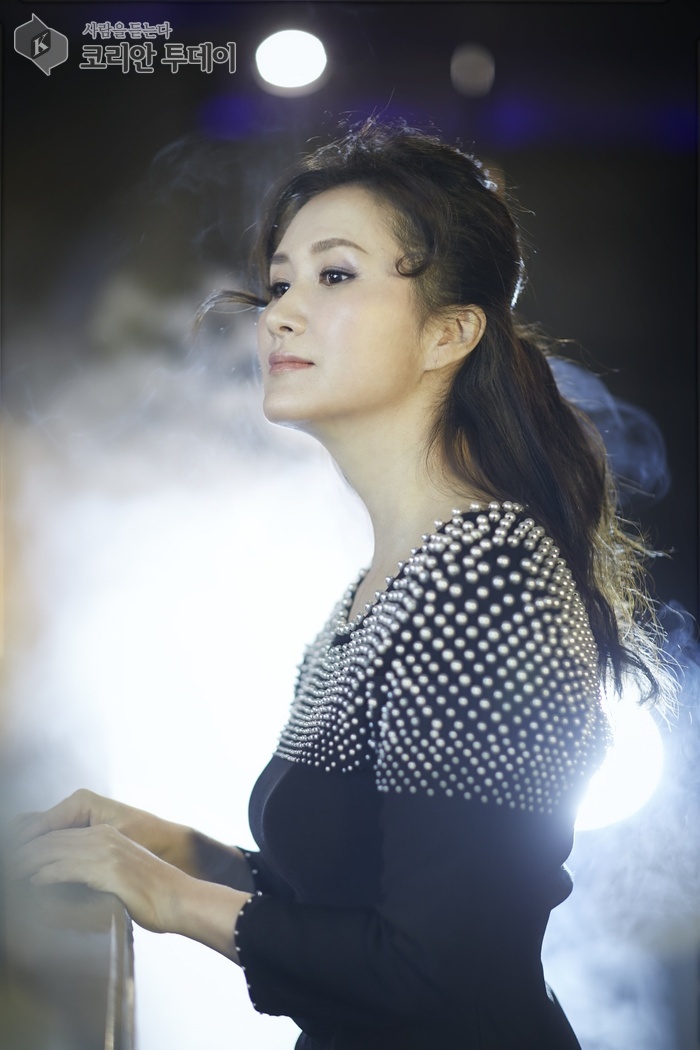
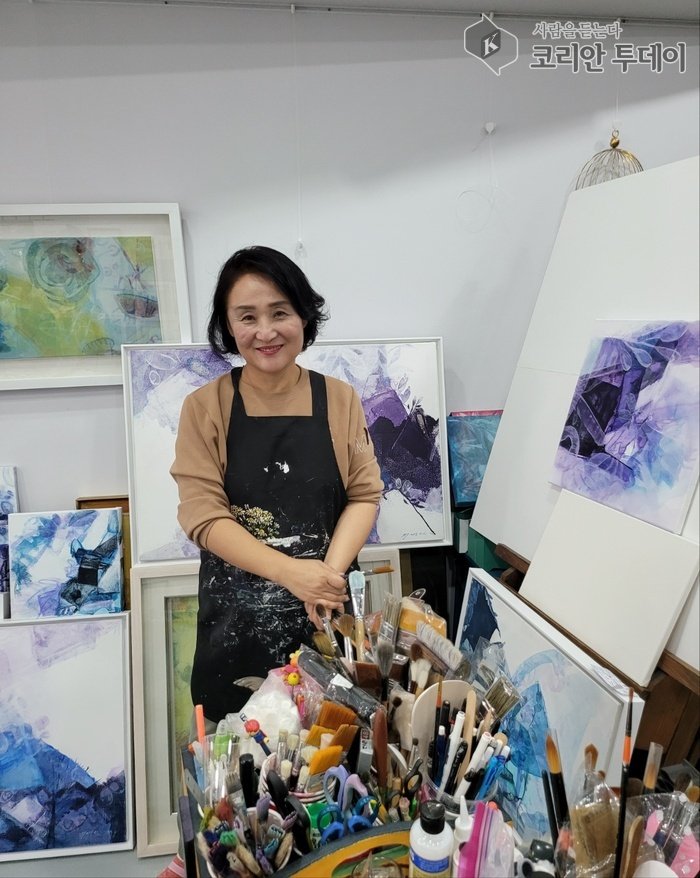 [코리안투데이] 직장생활과 예술을 병행한 30년을 지나 화가로 맞이한 제2의 인생 ©김현수 기자 |
구 작가는 자신의 작업에 대해 “자연이 인간에게주는 에너지와 힘을 화면에 표현하고 싶다”며 “작품을 보는 사람들이 자연에서 받은 에너지를 느끼고 치유의 시간을 가졌으면 한다”고 설명했다.
젊은 시절 도시에서 생활한 그는 늘 산과 들을 그리워했다. 여유가 생기면 자연으로 향하고 싶다는 갈망을 품고 살았다. 약 40년 전 제작한 작품들을 다시 살펴보면서 당시의 작업에도 자연을 향한 그리움이 담겨 있었다는 사실을 발견했다.
현재는 자연을 가까이에서 접하며 작업하고 있다. 아침에 들리는 새소리, 산책길에서 발견한 이름 모를 꽃들과 풀벌레, 바람에 움직이는 나뭇잎이 모두 작품의 출발점이 된다.
“자연은 리듬과 소리를 가지고 있어요. 새소리와 풀벌레 소리를 따라 해보고 싶을 때도 있고, 바람에 꽃잎과 나뭇잎이 움직이는 모습을 작품으로 표현하고 싶을 때도 있습니다.”
그가 작품을 구상할 때 가장 먼저 떠올리는 것은 색이나 구체적인 풍경이 아닌 ‘감정’이다. 자연을 마주한 순간 밀려오는 감동을 캔버스 위에 자유롭게 펼쳐 보인다. 구체적인 꽃이나 풀이 등장하지 않더라도 관람객이 자연의 움직임과 정서를 느끼게 하는 것이 그의 작업이 지향하는 지점이다.
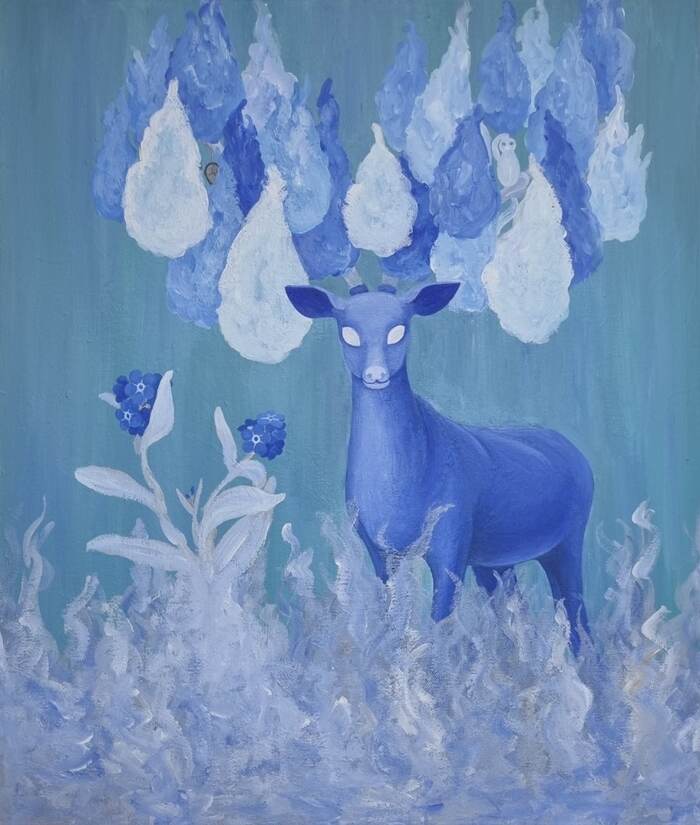
‘The Harmony’라는 주제로 작업하는 작품에 작가의 철학이 집약되어 있다. 구 작가가 말하는 하모니는 음악적 조화를 넘어서서 자연과 자연, 자연과 인간, 인간과 인간 사이의 조화는 물론 작가와 관람객이 작품을 통해 교감하는 과정까지 포함한다.
그는 “자연에서 얻은 색감과 조형 요소가 관람객에게도 치유와 에너지가 되기를 바란다”며 “자연이 단순히 아름답고 예쁜 존재가 아니라, 인간이 범접할수없는 에너지를 가지고있다. 작업에서는 자연에서 보고 느낀 선과 색을 통해 강한 에너지를 전한다”고 말했다.
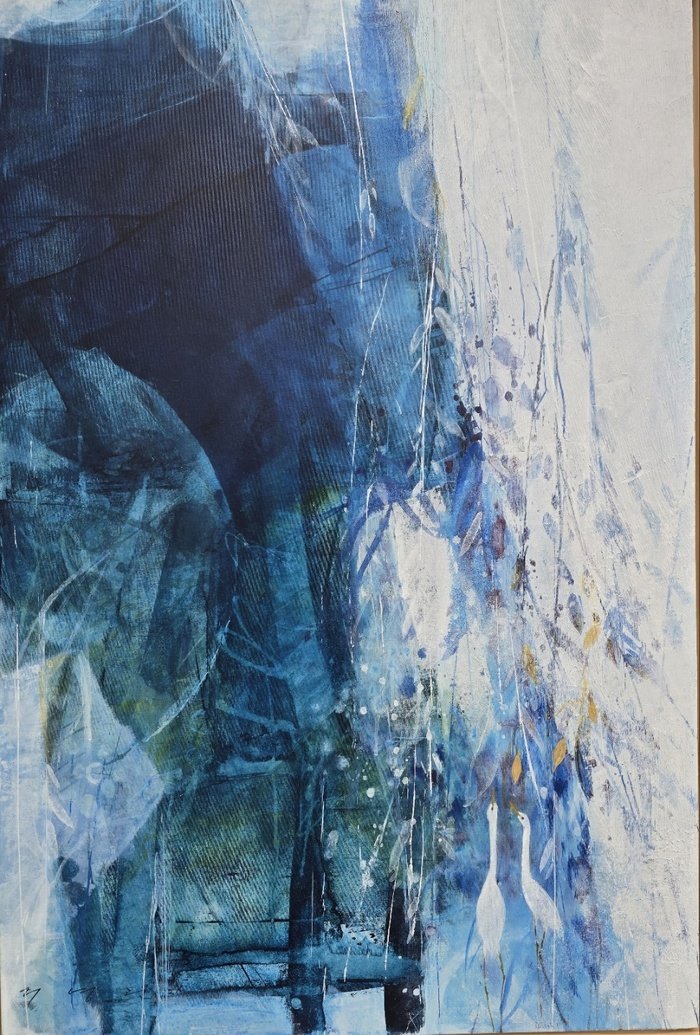 코리안투데이] 자연의 색과 소리를 추상적으로 풀어낸 ‘The Harmony’ 연작 ©김현수 기자 |
작가에게 작품을 향한 관람객의 반응은 작업을 계속하게 만드는 힘이된다.
한 전시에서는 한관람객 대형 작품 앞에 오랫동안 작품을 보며 작품을 보고있으니 마음이 벅차고 바람 소리가 들리는 것 같다는 감상을 전했다. 좋은 에너지가 느껴진다라는 감상자들을 통해 새로운 작업을 펼치는 힘이만들어진다
구 작가는 꽃잎이 날리는 순간의 바람과 감정을 전달하고 싶었던 작품에서 관람객이 그 의도를 느꼈다는 사실에 깊은 감동을 받았다. 그는 이 경험을 통해 작품을 세상에 공개하고 사람들과 공감하는 일이 중요하다는 것을 다시 확인했다.
전시를 이어가는 이유도 작품을 관람객과 나누기 위해서다. 그는 작품을 작업실이나 창고에 보관하는 데 그치지 않고 더 많은 사람에게 보여주고 싶다고 강조했다. 다른 사람에게 여행이나 운동이 삶의 중요한 부분인 것처럼, 현재 구 작가에게는 작품을 함께 느끼고 공감하는 전시가 가장 우선적인 활동이다.
예술가의 길이 순탄하기만 했던 것은 아니다. 직장인으로 살아가는 동안에도 예술을 포기할 수 없었던 그는 약 30년 동안 주말과 여유 시간을 활용해 다소부족한 작업을 이어갔다. 본격적으로 화가의 삶에 집중하기 시작한 것은 약 10년 전부터이다.
작가는 이를 ‘제2의 인생’이라고 표현한다. 치열하게 살아온 젊은 날이 있었기에 현재는 작업에 몰입할 수 있는 기반을 갖게 됐다는 것이다. 구 작가는 “항상 갈망하면 이루어진다는 생각이 든다”고 말했다.
이제 그의 시선은 해외로도 향하고 있다. 작품 판매나 명성을 얻는 것보다 다른 문화권의 관람객들이 작가의 작품을 어떻게 받아들이는지 확인하고 싶다는 바람에서이다. 인사동 개인전 당시 외국인 관람객들이 작품을 구매했던 경험도 해외 관객과의 교감 가능성을 생각하게 된 계기가 됐다.
2025년에는 교토, 파리 꼼빠레죵, 독일베를린, 마이애미 아트페어 2026년에는 LA아트쇼, 베니스비엔날레 위성전까지 국내전시과함께 해외전시를 도전하고있다
후배 예술가들에게는 학력이나 제도보다 표현하려는 마음과 꾸준한 노력이 중요하다고 조언했다. 예술은 반드시 미술대학이나 특정 교육기관을 거쳐야만 시작할 수 있는 것이 아니며, 표현하고 싶은 욕구가 있다면 어떤 재료와 공간에서도 시작할 수 있다라는 것이 구작가의 생각이다.
“자신의 에너지를 작업에 쏟으면 그것이 큰 치유로 돌아오고, 다른 사람에게도 위로가 될 수 있습니다. 노력하지 않고 얻을 수 있는 것은 없다고 생각합니다.”
자연에서 받은 감정을 색과 선으로 옮기고, 그 울림을 관람객과 나누는 구영란 작가. 그에게 자연과 예술의 관계는 한 문장으로 모인다.
“예술은 자연에서 시작됩니다.”
From birdsong and the chirping of insects, to petals scattered by the wind and fallen leaves returning to the soil at the end of their life—Western-style painter Koo Young-ran captures the movements and emotions of nature encountered in everyday life on her canvas.
Rather than reproducing the scenery before her eyes as it is, her artistic world unfolds through colors and formative elements that express the energy and resonance she receives from nature.
Regarding her work, Koo explains, “I want to express on the canvas the energy and strength that nature gives to humanity. I hope that those who view my work can feel that energy and experience a moment of healing.”
In her youth, she lived in the city but always longed for mountains and fields. Whenever she had the chance, she dreamed of going into nature. Looking back at works she created about 40 years ago, she discovered that even then, her yearning for nature was already embedded in her art.
Now, she creates her work while living close to nature. The birdsong she hears in the morning, the unnamed flowers she encounters on walks, the insects, and the leaves moving in the wind all become the starting points of her work.
“Nature has rhythm and sound. Sometimes I want to imitate the sounds of birds and insects, and other times I want to express the movement of petals and leaves in the wind through my work.”
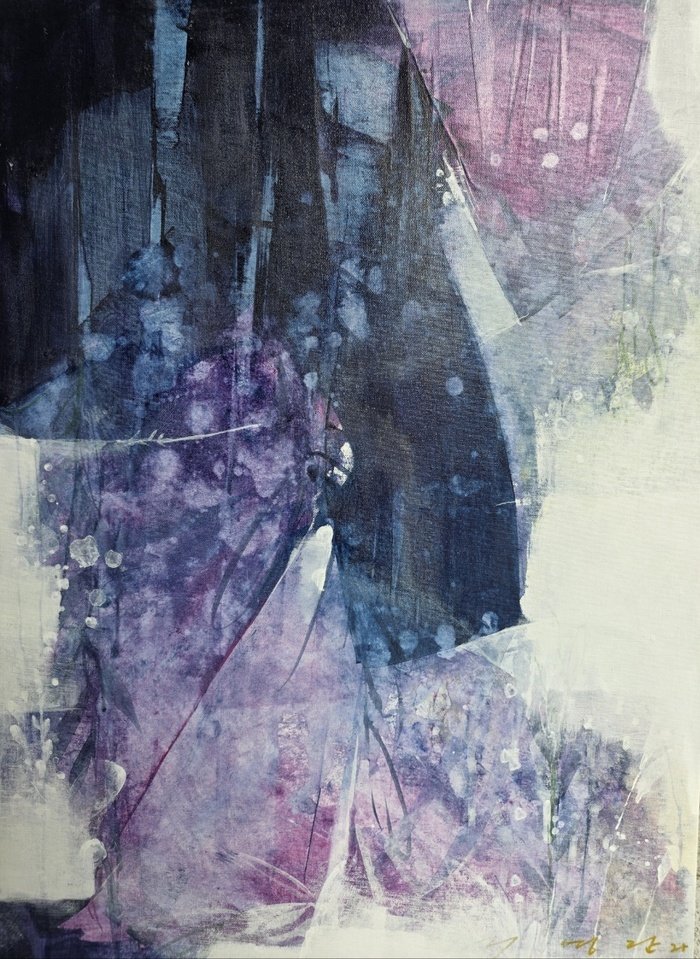 |
When she begins to conceive a piece, what comes to mind first is not color or a specific landscape, but “emotion.” The overwhelming feeling she experiences when encountering nature is freely expressed on the canvas. Even if no concrete flowers or plants appear, her aim is for viewers to feel the movement and sentiment of nature.
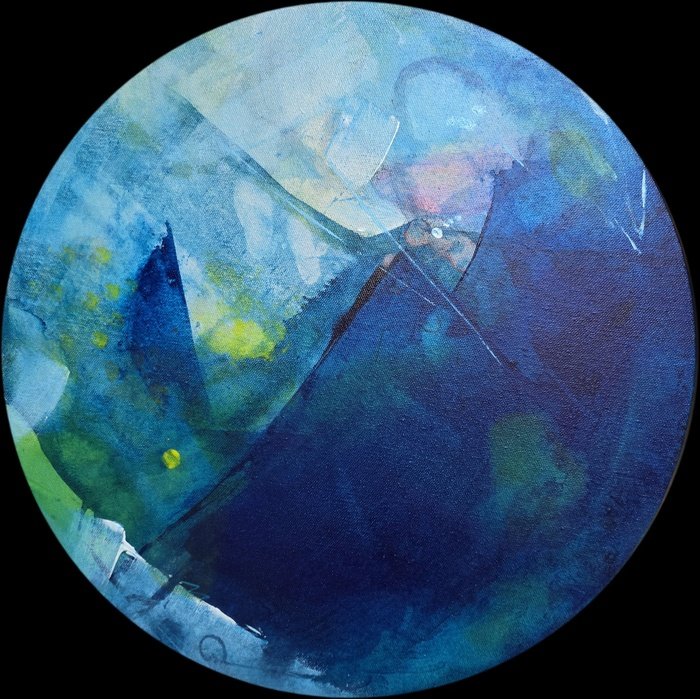
Her philosophy is encapsulated in works created under the theme “The Harmony.” For Koo, harmony goes beyond musical balance—it includes harmony between nature and nature, nature and humans, humans and humans, and even the communication between artist and viewer through the artwork.
“I hope that the colors and formative elements derived from nature can become a source of healing and energy for viewers. Nature is not merely beautiful or pretty; it holds an energy that humans cannot easily approach. Through the lines and colors I perceive in nature, I try to convey that powerful energy.”
The responses of viewers give the artist the strength to continue her work. At one exhibition, a viewer stood in front of a large piece for a long time and shared that the work made their heart swell, as if they could hear the sound of the wind. Such impressions—feeling good energy—become the driving force behind her continued creative practice.
Koo was deeply moved when viewers recognized her intention in a piece where she sought to convey the wind and emotions of petals scattering. Through this experience, she reaffirmed the importance of sharing her work with the world and connecting with people.
The reason she continues to hold exhibitions is also to share her work with viewers. Rather than keeping her pieces in a studio or storage, she emphasizes her desire to show them to more people. Just as travel or exercise is an essential part of life for others, for Koo, exhibitions—where people can feel and empathize with her work—are the most important activity.
Her path as an artist has not always been smooth. Even while working a full-time job, she could not give up art and continued creating, albeit modestly, for about 30 years using weekends and spare time. It has only been about 10 years since she began fully dedicating herself to the life of a painter.
She describes this period as her “second life.” The intense years of her youth laid the foundation that now allows her to immerse herself in her work. “If you constantly long for something, I believe it will come true,” she says.
Her gaze is now turning overseas. Rather than seeking sales or fame, she wants to see how audiences from different cultural backgrounds respond to her work. During a solo exhibition in Insadong, foreign visitors purchased her pieces, which led her to consider the possibility of connecting with international audiences.
In 2025, she plans to participate in exhibitions in Kyoto, the Comparaisons exhibition in Paris, Berlin in Germany, and the Miami Art Fair. In 2026, she aims to take part in the LA Art Show and a satellite exhibition of the Venice Biennale, alongside exhibitions in Korea.
 |
To younger artists, she advises that the desire to express and consistent effort are more important than academic background or institutional training. In her view, art does not have to begin through an art college or specific educational institution—if there is a desire to express, it can start anywhere, with any material or space.
“If you pour your energy into your work, it will return as great healing and can also become comfort for others. I believe nothing can be gained without effort.”
Koo Young-ran translates emotions received from nature into colors and lines, sharing that resonance with viewers. For her, the relationship between nature and art can be summed up in one sentence:
“Art begins with nature.”

답글 남기기