
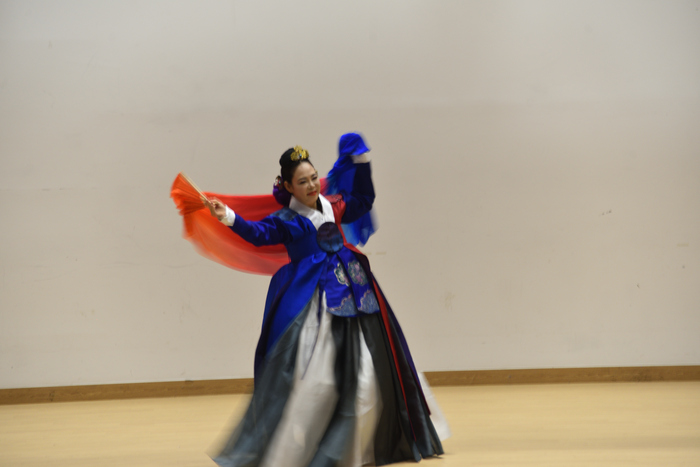
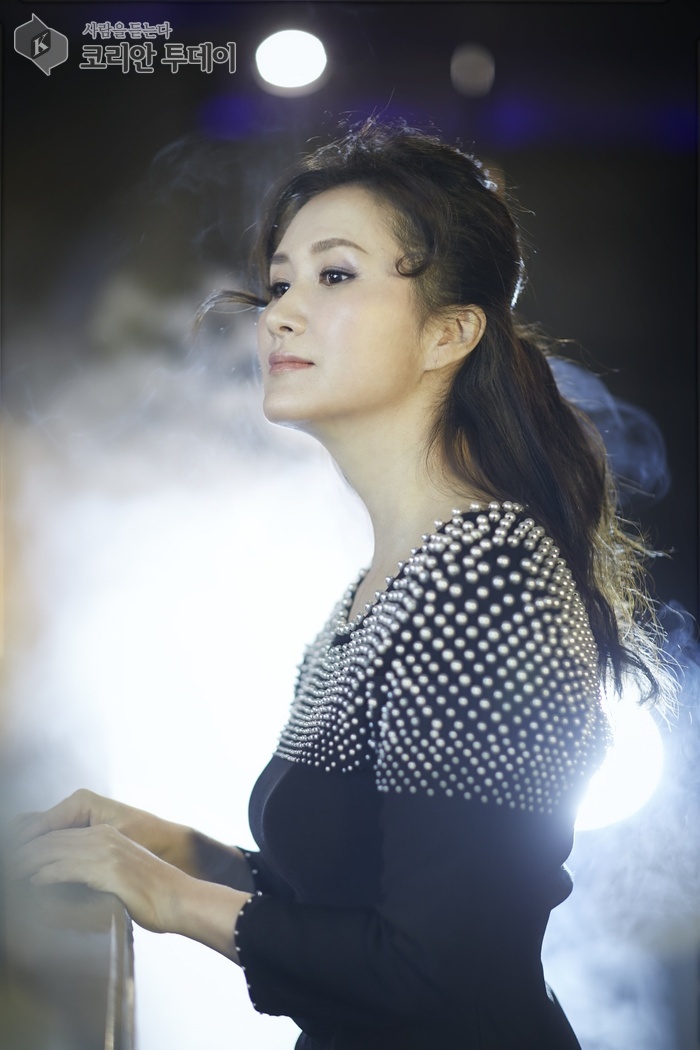
안성국악원 이선희 원장이 광복 81주년 대한민국 한국한복 문화 대전에서 태극무늬 한복을 입고 음악의 흐름에 따라 즉석에서 춤을 선보이며 광복의 의미를 표현했다. 이 원장은 미리 정해진 동작을 그대로 보여주는 방식보다 현장에서 흐르는 음원과 자신의 감정을 자연스럽게 연결했다. 한복과 음악, 춤이 하나가 된 무대를 통해 대한민국의 전통과 광복의 의미를 관객에게 전하고자 했다.
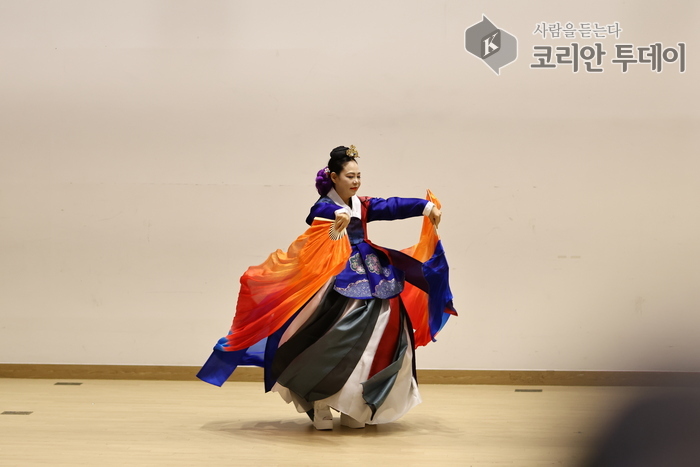 [코리안투데이] 태극무늬 한복과 즉흥 춤으로 광복의 정신을 무대에 담다 © 김현수 기자 |
이번 행사는 2026년 8월 6일 국회의사당에서 진행됐다. 행사 자료에는 광복의 정신을 입다라는 주제와 함께 한복을 통해 대한민국의 역사와 문화적 정체성을 알리겠다는 취지가 담겼다. 이선희 원장 역시 이러한 행사 취지에 공감해 참여를 결정했다고 밝혔다.
이 원장은 행사 참여에 대해 “좋은 의미로 진행되는 행사이고, 함께하는 분들에게 좋은 추억이 될 것 같아 흔쾌히 찬성했다”고 말했다. 그에게 이번 무대는 단순히 춤을 보여주는 공연만은 아니었다. 광복의 의미를 한복과 우리 음악, 몸짓을 통해 자연스럽게 전달하는 데 의미를 뒀다.
무대에서 선보인 춤 역시 즉흥적으로 이뤄졌다. 이선희 원장은 “음원을 들으며 음악의 흐름에 맞춰 자연스럽게 춤을 보여주고 내려왔다”고 당시 상황을 설명했다. 정해진 안무를 재현하기보다 음악이 만들어내는 분위기와 장단을 따라 움직이며 자신의 감정을 몸짓으로 표현한 것이다.
의상도 무대의 메시지와 연결됐다. 이 원장은 디자인 한복에 태극 문양이 어우러진 의상을 입었다. 태극의 색과 문양이 담긴 한복을 통해 광복을 직접 설명하기보다 한복 자체가 대한민국을 떠올리게 하는 상징이 되도록 했다.
이선희 원장은 안성국악원을 운영하며 경기민요와 경서남잡가, 전통무용 등 우리 전통예술을 배우고 알리는 활동을 이어가고 있다. 소리새예술단 단장과 국악강사로도 활동하고 있다. 이러한 활동을 이어온 만큼 이번 한복 문화 행사에서도 국악과 춤, 전통 의상이 서로 분리된 문화가 아니라 함께 어우러질 수 있다는 가능성에 주목했다.
안성국악원 이선희 원장은 전통예술을 이어가는 현장에서 느끼는 고민도 털어놨다. 그는 요즘 전통문화 분야가 현대 대중문화와 경쟁하면서 시민들의 관심을 끌기가 쉽지 않은 현실을 안타깝게 바라보고 있다고 말했다. 이는 전통을 그대로 보존하는 일뿐 아니라 현대인들이 관심을 갖고 찾아오게 만드는 방법도 함께 고민해야 한다는 의미다.
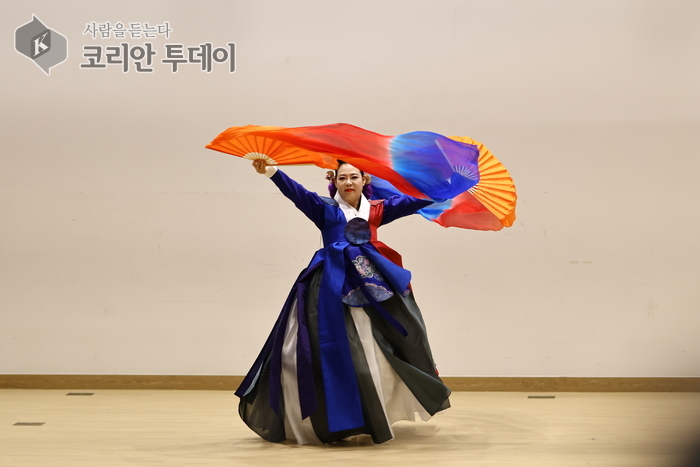 [코리안투데이] 이선희 원장, 국악과 한복·춤으로 전통문화를 젊은 세대와 잇다 © 김현수 기자 |
이 원장은 “우리나라 의상과 전통국악을 지키면서도 요즘 현대인들에게 어떻게 하면 조금 더 가까이 다가갈 수 있을지를 항상 고민하고 방법을 연구하고 있다”고 말했다.
그가 말하는 전통의 계승은 옛 모습을 그대로 유지하는 데서 끝나지 않는다. 전통이 현재 사람들의 생활 속에서 다시 경험되고 다음 세대에게 자연스럽게 전달돼야 한다는 생각이다. 국악 공연과 교육, 한복을 활용한 문화행사 역시 이러한 접점을 만드는 방법이 될 수 있다.
한복의 세계화에 대한 바람도 크다. 이선희 원장은 우리 한복이 가진 색과 선, 디자인의 아름다움을 국내에만 머물게 하지 않고 세계에 더 널리 알리고 싶다고 밝혔다. 전통국악도 마찬가지다. 음악과 춤, 한복을 함께 보여준다면 언어가 다른 해외 관객에게도 한국 전통문화의 분위기와 정서를 보다 입체적으로 전달할 수 있다는 생각이다.
그러나 현실적인 어려움도 존재한다. 이 원장은 세계에 우리 문화를 알리고 싶다는 의지만으로 모든 활동을 이어가기에는 비용 부담이 크다고 설명했다. 공연을 준비하고 의상을 제작하며 교육과 문화 프로그램을 지속하는 과정에는 적지 않은 비용이 필요하기 때문이다.
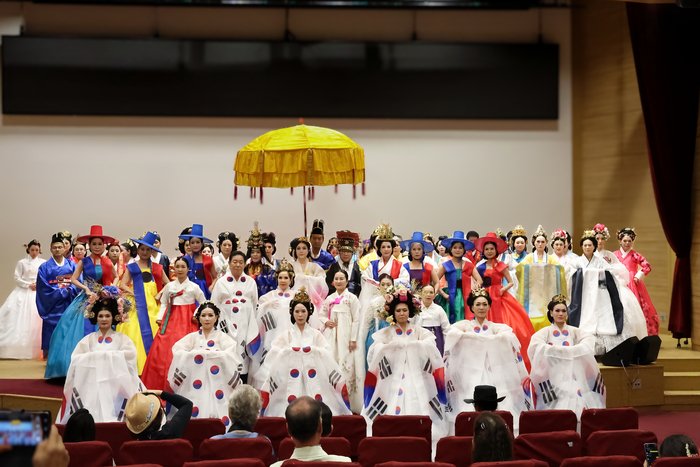 [코리안투데이] 전통을 지키며 현대인에게 더 가까이 다가가는 국악과 한복의 길 © 김현수 기자 |
그는 “아름다운 한복과 우리 전통을 세계적으로 알리고 싶은 마음은 크지만, 그 뒤에는 언제나 금전적인 현실이 따라온다”며 전통예술 현장에서 활동하는 사람들의 현실적인 어려움을 전했다.
젊은 세대가 전통한복을 보다 친근하게 접하도록 하는 것도 중요한 과제로 꼽았다. 한복은 아름답지만 실제로 구매하거나 제작하려면 비용 부담이 발생한다. 공연이나 특별한 행사 외에는 직접 입어볼 기회도 제한적이다.
이선희 원장은 이러한 문제를 개인이나 한복 제작자만의 노력으로 해결하기보다 교육 현장과 지방자치단체의 지원을 함께 고민할 필요가 있다고 봤다. 그는 “젊은 세대가 전통한복을 친근하게 받아들이기까지는 많은 노력이 필요하다”며 “의상 가격도 현실적인 문제인 만큼 교육 분야나 지방자치단체에서 관련 예산을 지원한다면 한복 문화 활성화에 도움이 될 수 있다고 생각한다”고 말했다.
이 같은 문제의식은 현재 공공 영역에서 추진되는 한복문화 확산 정책과도 맞닿는 부분이 있다. 한국공예·디자인문화진흥원은 2026 한복문화주간을 통해 한복을 일상에서 자연스럽게 향유할 환경을 만들고, 지역 콘텐츠와 한복을 연결해 지속 가능한 문화 기반을 조성하겠다는 방향을 제시하고 있다. 전시와 공연뿐 아니라 체험과 교육 프로그램도 추진하고 있다.
문화체육관광부와 한국공예·디자인문화진흥원은 일상에서 활용할 수 있는 한복근무복 디자인 개발도 진행하고 있다. 전통의 아름다움과 현대적인 실용성을 연결하려는 시도다. 이는 한복을 특별한 날에만 입는 옷에서 일상에서도 접할 수 있는 문화로 확장하려는 흐름으로 볼 수 있다.
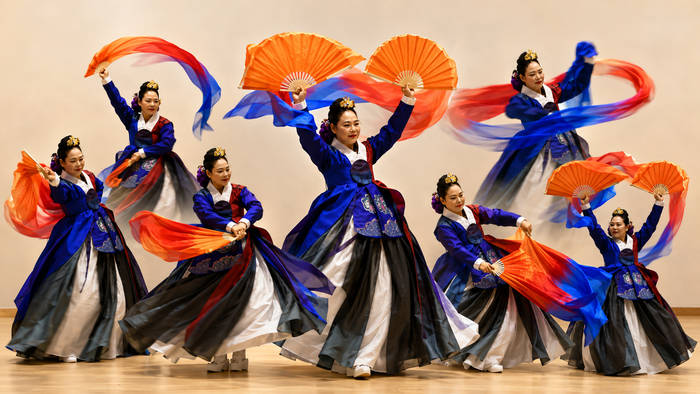
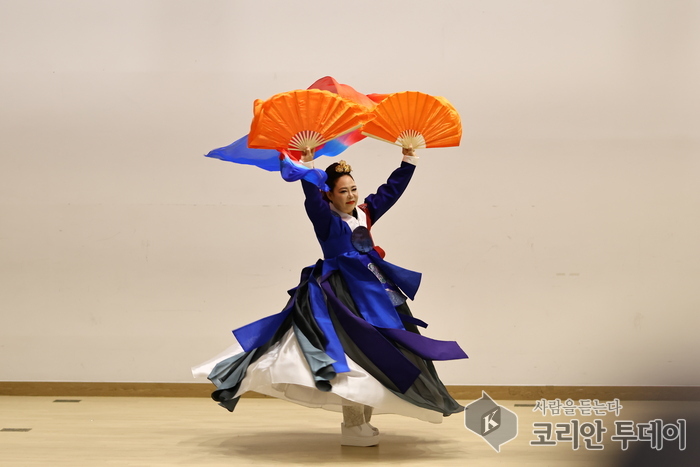 [코리안투데이] 한복과 음악, 춤이 어우러진 무대로 한국 전통문화의 아름다움을 세계에 전하다 © 김현수 기자 |
안성국악원 이선희 원장이 이야기하는 방향도 여기에 있다. 전통을 지키는 것과 현대인에게 다가가는 일을 서로 반대되는 것으로 보지 않는다. 전통의 기본과 정신은 지키되 사람들이 쉽게 접하고 경험하도록 표현 방식과 교육 환경을 넓혀야 한다는 것이다.
특히 청소년과 젊은 세대가 어릴 때부터 한복과 국악을 자연스럽게 경험하는 환경이 중요하다고 보고 있다. 학교와 지역 문화교육에서 한복을 직접 입어보고 국악을 듣거나 배울 기회가 많아진다면 전통문화에 대한 거리감도 줄어들 수 있다는 생각이다.
이번 광복 81주년 무대는 이선희 원장에게 이러한 고민을 직접 표현한 자리이기도 했다. 태극무늬 한복을 입고 음악의 흐름에 따라 즉석에서 펼친 춤에는 광복의 의미와 함께 한국인의 정서와 전통예술의 아름다움이 자연스럽게 녹아들었다.
한복을 입고 우리 음악에 맞춰 춤을 추는 장면은 복잡한 설명 없이도 한국 문화의 특징을 전달할 수 있다. 이 원장이 전통국악과 한복을 함께 세계에 알리고 싶다고 말하는 이유도 여기에 있다. 소리와 춤, 의상이 함께할 때 한국 문화의 이야기를 보다 풍부하게 보여줄 수 있기 때문이다.
안성국악원 이선희 원장은 앞으로도 전통을 지키면서 현대인과 가까워지는 방법을 계속 찾겠다는 입장이다. 한복과 국악이 과거의 문화로 기억되는 데 그치지 않고 오늘의 사람들이 즐기고 다음 세대가 자연스럽게 이어받는 문화가 되는 것이 그가 바라는 방향이다.
광복 81주년을 맞아 태극무늬 한복과 즉흥적인 춤으로 무대에 선 이선희 원장의 모습은 전통을 지킨다는 의미가 무엇인지 다시 생각하게 한다. 전통의 뿌리를 지키면서 현재와 소통하고, 더 나아가 세계와 만나는 길을 만드는 것. 이 원장은 그 답을 국악과 춤, 교육 그리고 한복이 만나는 현장에서 계속 찾아가고 있다.
[ 김현수 기자: [incheoneast@thekoreantoday.com]
Following the Flow of Music on Stage, She Explores Ways to Connect Hanbok and Gugak with Modern Audiences and the World
Lee Sun-hee, Director of Anseong Gugak Center, expressed the meaning of Korea’s liberation through an improvised dance performance while wearing a hanbok decorated with Taegeuk patterns at the 81st Anniversary Korea Hanbok Culture Festival. Rather than following a fixed choreography, Lee moved naturally with the flow of the music and connected her emotions to the rhythm and atmosphere of the performance. Through the harmony of hanbok, music, and dance, she sought to convey the spirit of liberation and the beauty of Korean tradition to the audience.
 |
The event was held at the National Assembly in Seoul on August 6, 2026. According to the event materials, the festival was organized under the theme Wearing the Spirit of Liberation. Its purpose was to reflect on the history and spirit of the Republic of Korea through hanbok and the Taegeuk symbol, while also highlighting the beauty of Korean traditional culture.
Lee said she readily agreed to participate because she strongly identified with the purpose of the event.
She explained that the event had a meaningful purpose and that she believed it could become a good and memorable experience for everyone involved. For her, the stage was not simply about presenting a dance performance. It was an opportunity to naturally communicate the meaning of liberation through hanbok, Korean music, and movement.
The dance itself was largely improvised.
Lee said she listened to the music and allowed her body to move naturally with its flow before leaving the stage. Instead of reproducing predetermined choreography, she responded to the rhythm, mood, and emotional progression of the music in the moment.
Her costume also carried a symbolic message.
Lee wore a designer hanbok incorporating Taegeuk motifs. Through the colors and patterns of the Taegeuk, the costume itself became a visual symbol of Korea. Rather than explaining the meaning of liberation only through words, she used the hanbok and movement to create a natural expression of national identity and remembrance.
Lee Sun-hee has continued her activities in Korean traditional arts through Anseong Gugak Center. Her work includes Gyeonggi folk songs, Gyeongseo-nam Japga, traditional dance, arts education, and stage performances. She also serves as the leader of the Sorisae Art Troupe and works as a gugak instructor.
Because of this background, Lee sees hanbok, music, and dance not as separate cultural forms, but as elements that can naturally come together on stage.
She also expressed concern about the difficulties facing traditional culture today.
Lee said it is unfortunate that interest in traditional fields has been declining as modern popular music and contemporary entertainment dominate public attention. In her view, preserving tradition is not enough by itself. Artists and educators must also think about how traditional culture can become more accessible and meaningful to people living today.
She said she is constantly researching ways to preserve Korean clothing and traditional music while bringing them closer to contemporary audiences.
For Lee, cultural preservation does not mean keeping tradition frozen in the past. She believes traditions must continue to be experienced, understood, and passed on in ways that modern audiences can appreciate.
Performances, education, hanbok events, and cultural programs can all help create that connection.
Lee also hopes to introduce the beauty of hanbok and Korean traditional arts to a wider international audience.
 |
She believes Korean traditional music, dance, and clothing can communicate Korean culture in a powerful and multidimensional way. When music, movement, and hanbok are presented together, overseas audiences can experience not only the visual beauty of Korea but also its rhythm, emotion, and cultural identity.
However, she also pointed to the financial realities behind such efforts.
Lee said the desire to promote beautiful hanbok and Korean traditions around the world is strong, but financial challenges often become a major obstacle. Preparing performances, creating costumes, organizing cultural programs, and maintaining educational activities all require significant resources.
She noted that the financial burden can often limit what artists and cultural practitioners are able to accomplish, even when they have strong motivation and clear cultural goals.
Another important challenge, in her view, is helping younger generations feel more comfortable with traditional hanbok.
Lee said considerable effort is needed to make traditional clothing more familiar and approachable to young people. The cost of hanbok can be one barrier, while limited opportunities to wear traditional clothing outside of special events can also reduce everyday interest.
She believes public support could make a meaningful difference.
Lee suggested that if schools, educational institutions, and local governments provided stronger budget support for hanbok and traditional culture programs, participation could increase and more young people could experience Korean traditional clothing firsthand.
Such support, she believes, could help create an environment where hanbok is not seen only as expensive ceremonial clothing, but as a living cultural experience connected to identity, education, and community.
The 81st Anniversary Korea Hanbok Culture Festival gave Lee an opportunity to express these ideas directly through performance.
Wearing a Taegeuk-pattern hanbok and responding to the flow of music with spontaneous movement, she presented liberation not as an abstract historical concept, but as something that could be felt through color, sound, and gesture.
The performance also reflected her broader approach to tradition.
Lee continues to look for ways to preserve the foundations of Korean traditional culture while making them more approachable to modern audiences. She believes the future of hanbok and gugak depends not only on preservation, but also on education, public access, creative presentation, and continued cultural participation.
For Lee Sun-hee, tradition must remain rooted in its history while continuing to communicate with the present.
Her performance at the 81st Anniversary Korea Hanbok Culture Festival showed how hanbok, gugak, and dance can work together to express national history and cultural identity. It also highlighted a larger question she continues to explore through her work at Anseong Gugak Center: how can Korean traditional culture be preserved while becoming more familiar to younger generations and more widely known around the world?
Lee continues to seek that answer through music, dance, education, and hanbok.
[Reporter Kim Hyun-soo: incheoneast@thekoreantoday.com
THE KOREAN TODAY × WIA CODE
이 기사의 WIA Code

WIA Code 스캐너로 비추면 인터넷 없이 발행 사실과 위·변조 여부를 확인할 수 있습니다.
휴대폰 기본 카메라로 찍으면 스캐너 안내 페이지가 열립니다 — 기사 바로 열기

움직이는 코드는 스트림입니다 — WIA Code 스캐너로 약 100초 비추면 기사 전문(사진 포함)이 폰에 저장되어 인터넷 없이도 읽을 수 있습니다.
WIA Code · 코리안투데이

답글 남기기