
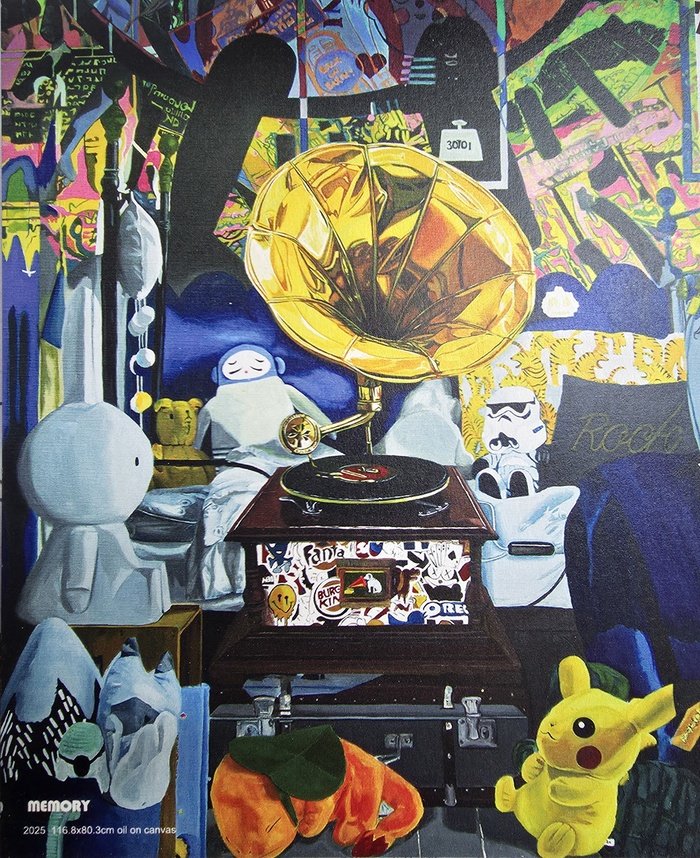
애착 인형 기억은 나인 갤러리 윤미정 작가의 작품 Memory를 이해하는 중요한 출발점이다. 어린 시절 자신의 곁을 지켰던 인형과 그 안에서 느낀 외로움, 안도감, 위로의 감각이 시간이 흐른 뒤 조형적 언어로 다시 태어났다. 윤미정 작가는 완전하게 남아 있지 않은 유년의 기억을 되짚으며, 개인의 경험이 어떻게 다른 사람의 기억과 만나 보편적인 정서적 공감으로 확장될 수 있는지를 화면에 담아낸다.
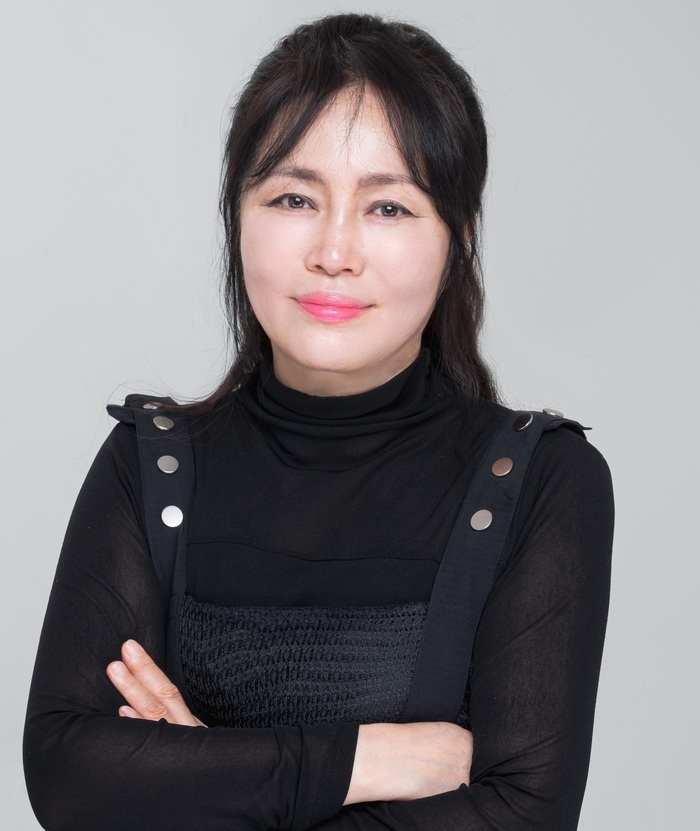 [코리안투데이] 나인 갤러리 윤미정 작가, 애착 인형에 새겨진 유년의 기억과 위로를 그리다 © 김현수 기자 |
윤미정 작가가 바라보는 기억은 고정된 기록이 아니다. 개인의 경험과 시간이 겹치고 사회적 맥락이 더해지는 과정에서 기억은 흐려지기도 하고, 때로는 새로운 감정과 결합해 다시 모습을 드러낸다. 바로 이러한 불완전한 기억의 속성이 작가에게는 작품을 시작하게 하는 중요한 지점이다.
작가의 기억을 따라가면 그 중심에는 어린 시절의 애착 인형이 있다. 어린아이였던 윤미정 작가에게 인형은 단순히 가지고 노는 사물이 아니었다. 해가 저문 방에서 혼자 감당해야 했던 외로움을 함께 견뎌 주는 친구였다. 말로 다 표현하지 못했던 마음을 조용히 들어주는 존재이기도 했다.
세상이 두렵게 느껴질 때면 보풀이 일어난 인형의 부드러운 표면을 뺨에 비비거나 작은 품에 꼭 끌어안았다. 그러면 요동치던 불안이 조금씩 가라앉았다. 어린 시절 몸으로 먼저 기억했던 안도감은 오랜 시간이 흐른 뒤에도 작가의 내면에 남았다.
윤미정 작가는 그 감정을 Memory라는 이름으로 화면 위에 옮긴다. 기억 속 인형의 정확한 모양이나 색은 시간이 흐르면서 희미해졌을 수 있다. 하지만 그 품에서 받았던 위로와 온기는 쉽게 사라지지 않았다. 작가는 캔버스에 덧입혀지는 색과 형상을 통해 그 감정의 흔적을 다시 불러낸다.
이러한 작업 방식에서 중요한 것은 과거의 인형을 사실적으로 재현하는 데 있지 않다. 오히려 기억이 남긴 감각과 정서를 현재의 시점에서 다시 바라보는 데 의미가 있다. 화면에 중첩되는 색채와 형상은 시간이 지나면서 겹겹이 쌓인 기억을 연상시킨다.
한때 명확했던 장면이 흐릿해지고, 잊었다고 생각했던 감정이 어느 순간 예상하지 못한 형태로 되살아나는 과정도 작품에 녹아든다. 그래서 Memory는 과거를 그대로 복원하는 기록화라기보다 기억을 현재의 감각으로 다시 구성하는 작업에 가깝다.
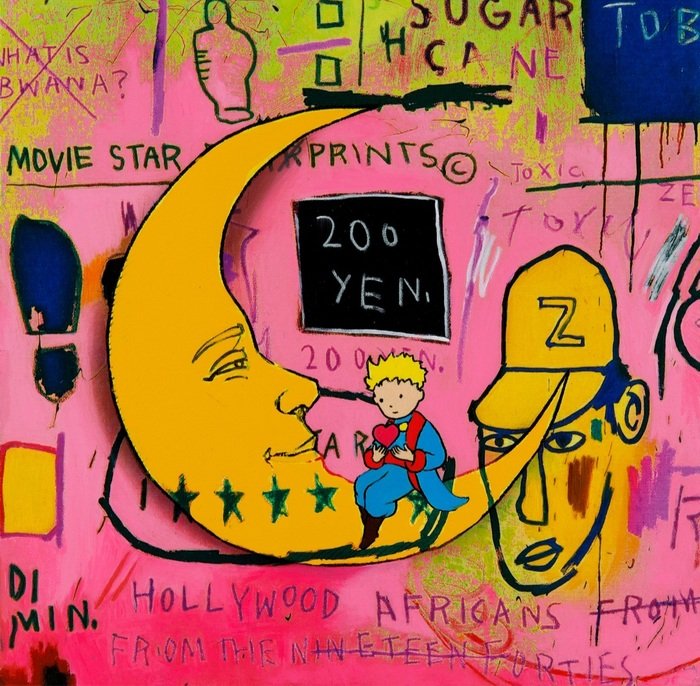 [코리안투데이] 윤미정 작가의 Memory, 흐릿해진 기억 속 애착 인형과 노스탤지어를 되살리다 © 김현수 기자 |
애착 인형 기억은 여기서 윤미정 작가 한 사람의 경험을 넘어선다. 관람객 역시 어린 시절 자신에게 특별했던 존재를 가지고 있을 가능성이 있기 때문이다. 누군가에게는 오래된 인형일 수 있다. 또 다른 누군가에게는 작은 담요나 베개, 부모의 품, 오래 살았던 집이나 함께했던 반려동물일 수도 있다.
대상의 모습은 서로 달라도 그 존재가 주었던 안전함과 온기는 비슷한 정서로 연결될 수 있다. 작품을 바라보는 사람이 자신의 기억 속 대상을 떠올리는 순간, 윤미정 작가의 개인적 기억은 더 이상 작가에게만 속하지 않는다. 관람객의 기억과 만나 새로운 이야기를 만들기 시작한다.
미국심리학회 APA가 소개한 연구와 전문가 설명에서도 노스탤지어는 단순히 과거에 머무는 감정으로만 다뤄지지 않는다. 과거의 의미 있는 기억을 떠올리는 행위가 사회적 연결감이나 삶에서 중요하게 생각하는 가치와 연결될 수 있다는 설명이 제시된다. 다만 과거에 지나치게 몰입하기보다 현재와 미래를 이해하는 자원으로 활용하는 태도가 중요하다는 점도 함께 언급된다.
윤미정 작가의 Memory가 불러오는 노스탤지어도 단순한 추억의 미화와는 거리가 있다. 작품의 출발점에는 어린 시절의 외로움과 불안이라는 감정이 존재한다. 작가는 그 시간을 지우거나 아름다운 장면으로만 바꾸지 않는다. 대신 힘겨웠던 순간 자신에게 위로를 건넸던 존재를 다시 바라본다.
그래서 작품에서 느껴지는 따뜻함은 결핍이 없었기 때문에 생겨난 감정이 아니다. 오히려 결핍과 두려움을 견디는 과정에서 발견한 온기라는 점에서 작품의 정서적 깊이가 만들어진다.
기억은 현대미술에서도 지속적으로 탐구되어 온 주제다. 영국 Tate는 기억을 주제로 한 미술을 설명하면서 작가들이 어린 시절이나 특정 인물, 장소, 사건뿐만 아니라 희미해지는 기억과 선택적으로 남는 기억 자체를 작품의 소재로 활용해 왔다고 소개한다.
윤미정 작가는 이러한 기억이라는 넓은 주제를 자신의 애착 인형이라는 지극히 개인적인 경험에서 시작한다. 거대한 역사나 특별한 사건이 아니라 어린아이의 방 안에 있던 작은 인형에서 출발한다는 점이 작품의 특징이다.
작가가 되찾으려는 것도 인형의 정확한 외형만은 아니다. 그 작은 존재를 끌어안았을 때 찾아왔던 평온함과 자신의 마음을 맡길 수 있었던 감각이다. 캔버스 위의 색과 형상은 말로는 완벽하게 설명하기 힘든 정서를 대신 전달하는 매개체가 된다.
관람객은 작품 앞에서 자연스럽게 자신의 기억을 마주하게 된다. 어린 시절 자신의 곁을 지켜준 존재는 무엇이었는지, 힘들 때마다 찾았던 장소는 어디였는지, 누구에게도 하지 못했던 이야기를 대신 받아준 대상은 없었는지를 스스로에게 묻게 된다.
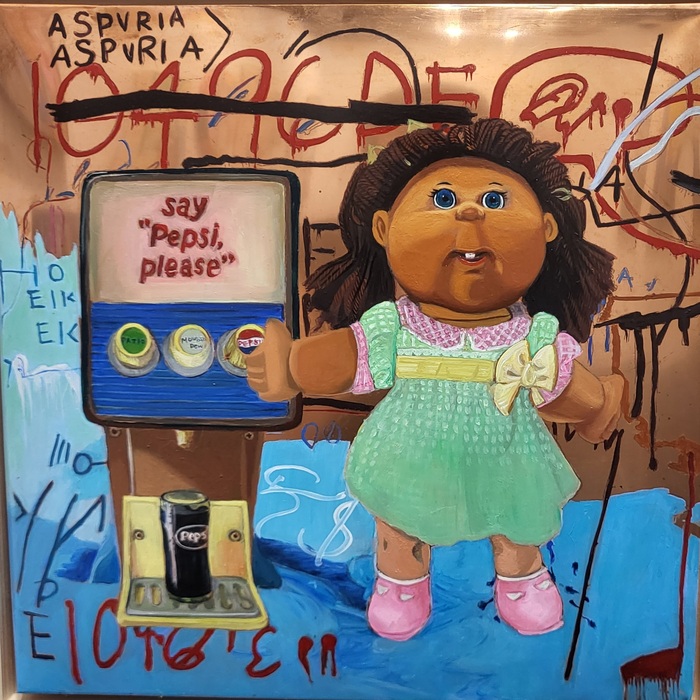 [코리안투데이] 개인의 기억에서 관람객의 기억으로, Memory가 연결하는 따뜻한 공감의 순간 © 김현수 기자 |
Memory는 그 질문에 하나의 답을 제시하지 않는다. 오히려 각자가 자신의 답을 찾아갈 수 있는 공간을 열어둔다.
애착 인형 기억이 가진 힘도 이 지점에서 드러난다. 윤미정 작가에게 속한 아주 사적인 기억이 작품이라는 매개를 거치는 순간 여러 사람의 유년과 연결되기 때문이다. 작가가 기억했던 인형과 관람객이 기억하는 대상은 서로 다르지만, 그 안에 남아 있는 위로의 감각은 하나의 공감대로 이어질 수 있다.
시간이 지나면 우리는 많은 것을 잊는다. 얼굴이 흐려지고 공간의 모습이 달라지며 손에 쥐었던 물건이 사라지기도 한다. 그러나 어떤 순간에 몸과 마음으로 경험했던 감정은 오래 남는다. 윤미정 작가가 Memory를 통해 다시 바라보는 것도 바로 그 감정의 기억이다.
캔버스 위에서 되살아난 유년의 온기는 과거에만 머물지 않는다. 작품을 바라보는 현재의 관람객에게 건너가 새로운 기억을 깨운다. 한 사람의 기억이 또 다른 사람의 기억을 움직이고, 서로 다른 삶의 시간이 하나의 작품 앞에서 잠시 포개진다.
윤미정 작가에게 인형은 한때 자신의 세계를 지켜주었던 작은 존재였다. 이제 그 인형은 Memory 속에서 관람객에게 질문을 건네는 존재가 됐다.
당신에게도 그런 존재가 있었는가.
이미 이름도 모습도 희미해졌지만 생각하는 것만으로 마음 한편이 따뜻해지는 무언가가 있었는가.
윤미정 작가의 Memory는 잊힌 유년으로 돌아가라고 말하는 작품이라기보다, 오래전 자신을 안심시켜 주었던 감정을 현재의 자리에서 다시 바라보게 한다. 작가의 기억과 관람객의 기억이 만나는 순간, 한 사람만의 이야기는 서로의 결핍과 위로를 이해하는 공감의 언어로 확장된다.
그리고 그 지점에서 Memory는 완성된다. 사라졌다고 생각했던 어린 날의 온기가 캔버스 위에서 다시 모습을 드러내고, 관람객은 자신만의 애착 인형과 마음속에서 다시 만난다. 윤미정 작가가 풀어놓은 기억의 실타래가 결국 우리 각자의 기억으로 이어지는 순간이다.
김현수 기자: [incheoneast@thekoreantoday.com
Attachment doll memories form an important starting point for understanding Memory, a work by Nine Gallery artist Yoon Mi-jung. The dolls that stayed by her side during childhood, along with the loneliness, relief, and comfort she once felt in their presence, have been reborn as a visual language over time. Through fragmented memories of childhood, Yoon explores how deeply personal experiences can expand into a universal emotional connection with viewers.
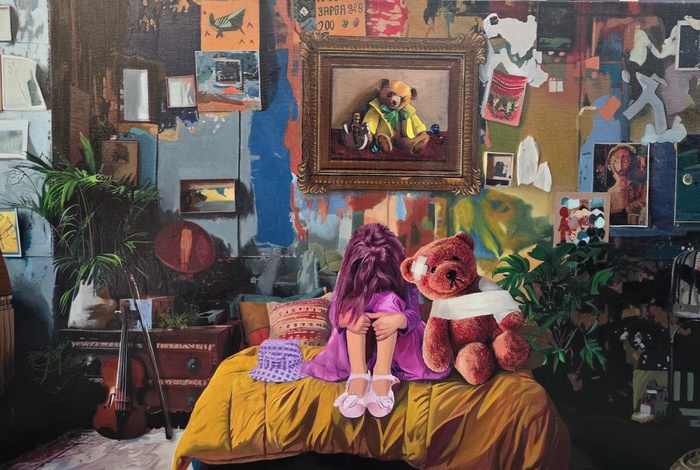 |
For Yoon, memory is not a fixed record. Personal experience, time, and social context overlap, causing certain memories to fade while others return in altered forms, carrying new emotions and meanings. This imperfect and constantly reshaped nature of memory becomes one of the most important foundations of her work.
At the center of Yoon’s childhood memories are the attachment dolls that once meant far more to her than simple toys. When she was young, they were companions who silently shared the loneliness she had to face as daylight faded in an empty room. They were also quiet listeners who accepted feelings she was too young or too uncertain to express in words.
Whenever the world felt frightening, she would rub her cheek against the soft, worn surface of a doll or hold its small body tightly in her arms. Gradually, the anxiety inside her would begin to settle. The sense of reassurance first experienced through the body remained deeply embedded in her long after childhood had passed.
Yoon transforms that emotional memory into a visual language under the title Memory. The exact form and color of the doll may have become blurred with time. Yet the warmth and comfort she received from holding it have not disappeared so easily. Through layers of color and form placed across the canvas, she attempts to bring those emotional traces back into the present.
The purpose of this process is not to reproduce the physical appearance of a childhood doll with photographic accuracy. Instead, the artist revisits the sensations and emotions that memory has preserved. The overlapping colors and forms on the canvas evoke the way memories themselves accumulate in layers over time.
Scenes that were once vivid can become indistinct, while emotions believed to have been forgotten may suddenly return in unexpected forms. In this sense, Memory is less an attempt to reconstruct the past exactly than an exploration of how the past is rebuilt through present emotion and perception.
Attachment doll memories therefore move beyond Yoon Mi-jung’s individual experience. Viewers may also carry memories of an object or presence that once felt essential during childhood. For one person, it may have been an old doll. For another, it may have been a blanket, a pillow, a parent’s embrace, a family home, or even a beloved animal.
The objects may differ, but the emotional sense of safety and warmth they provided can create a shared point of understanding. Once a viewer encounters the work and begins to remember something of their own, Yoon’s personal memory no longer belongs only to the artist. It begins to merge with the memories of others and generate new narratives.
Research and expert commentary introduced by the American Psychological Association have also discussed nostalgia as more than a simple desire to dwell on the past. Nostalgic reflection can be connected to social belonging, personal meaning, and emotional well-being. At the same time, such memories are often most constructive when they help people understand the present and future rather than remain trapped in the past.
The nostalgia evoked by Memory similarly goes beyond idealizing childhood. The work begins with emotions of loneliness and anxiety. Yoon does not erase those difficult moments or turn them into purely beautiful memories. Instead, she returns to the presence that offered comfort in the midst of fear.
This is why the warmth within the work does not come from an absence of pain. It emerges from having discovered comfort within vulnerability. That tension gives the work much of its emotional depth.
Memory has long been a recurring subject in contemporary art. Tate has noted that artists often explore childhood, people, places, events, fading memories, and the selective nature of recollection itself. Within this broader artistic tradition, Yoon Mi-jung begins from an especially intimate source: the attachment doll of her own childhood.
Her work does not begin with a monumental historical event or a grand social narrative. Instead, it begins with a small doll once kept in a child’s room. That modest and personal starting point gives the work its distinctive emotional identity.
What Yoon seeks to recover is not merely the doll’s physical appearance. More importantly, she seeks to recover the calm that arrived when she held it, and the feeling that there was somewhere safe to place emotions that could not yet be spoken. Color and form become visual tools for expressing what language alone cannot fully contain.
Standing before the work, viewers are naturally invited to confront their own memories. What stayed beside them when they were young? Where did they go when they felt afraid or alone? Was there an object or person that quietly received feelings they could not share with anyone else?
Memory does not provide a single answer to these questions. Instead, it creates a space in which each viewer can discover an answer of their own.
The emotional strength of attachment doll memories becomes most visible at this point. An intensely private memory belonging to Yoon Mi-jung is transformed through art and connected to the childhood experiences of many others. The artist’s doll and the viewer’s remembered object may be completely different, yet the emotional memory of comfort can become a shared language.
 |
As time passes, people forget many things. Faces become unclear, places change, and objects once held tightly may disappear altogether. Yet emotions experienced through the body and mind can remain for decades. It is this emotional memory that Yoon revisits in Memory.
The warmth of childhood revived on the canvas does not remain confined to the past. It moves toward the viewer in the present and awakens another memory. One person’s recollection stirs another person’s inner world, and different lives briefly overlap in front of the same work.
For Yoon Mi-jung, the doll was once a small presence that protected her private world. In Memory, that doll now becomes a presence that quietly asks the viewer a question.
Did you have something like that too?
Is there still something in your memory whose name or shape may have faded, but whose presence can make part of your heart feel warm again?
Memory does not simply tell viewers to return to childhood. Instead, it invites them to look again, from the present, at the feelings that once gave them comfort. When the artist’s memory meets the viewer’s memory, a deeply personal story expands into a shared language of vulnerability, comfort, and empathy.
It is at that point that Memory becomes complete. The warmth of childhood, once thought to have disappeared, emerges again on the canvas, allowing viewers to encounter their own attachment dolls in memory. The thread of recollection unraveled by Yoon Mi-jung ultimately leads toward memories belonging to each of us.
[ Reporter Kim Hyun-soo: [incheoneast@thekoreantoday.com]
THE KOREAN TODAY × WIA CODE
이 기사의 WIA Code

WIA Code 스캐너로 비추면 인터넷 없이 발행 사실과 위·변조 여부를 확인할 수 있습니다.
휴대폰 기본 카메라로 찍으면 스캐너 안내 페이지가 열립니다 — 기사 바로 열기

움직이는 코드는 스트림입니다 — WIA Code 스캐너로 약 158초 비추면 기사 전문(사진 포함)이 폰에 저장되어 인터넷 없이도 읽을 수 있습니다.
WIA Code · 코리안투데이

답글 남기기